Cancer rearranges the furniture in a life without asking permission. One minute there is a calendar, a routine, and a sense that tomorrow will behave itself. The next minute there are appointments, new words, side effects, and family members who suddenly want to become logisticians before breakfast.
When I look at coping with cancer, I do not see one heroic move. I see a set of small, repeatable moves that keep the day from tipping over. The National Cancer Institute’s coping with cancer guide treats emotional support, symptom management, and family concerns as part of the work, not as optional extras. The American Cancer Society also keeps a long list of support programs and services for people facing cancer and the people helping them through it. That is the right framing: support is not a luxury item. It is part of the toolkit.
If you are reading this because cancer has entered your life recently, you may be asking some version of the same questions over and over: What do I say to the rest of the family? How do I get through treatment without losing my mind? What is normal here, and what needs help? Where do I even start? Those are not small questions. They are the questions.
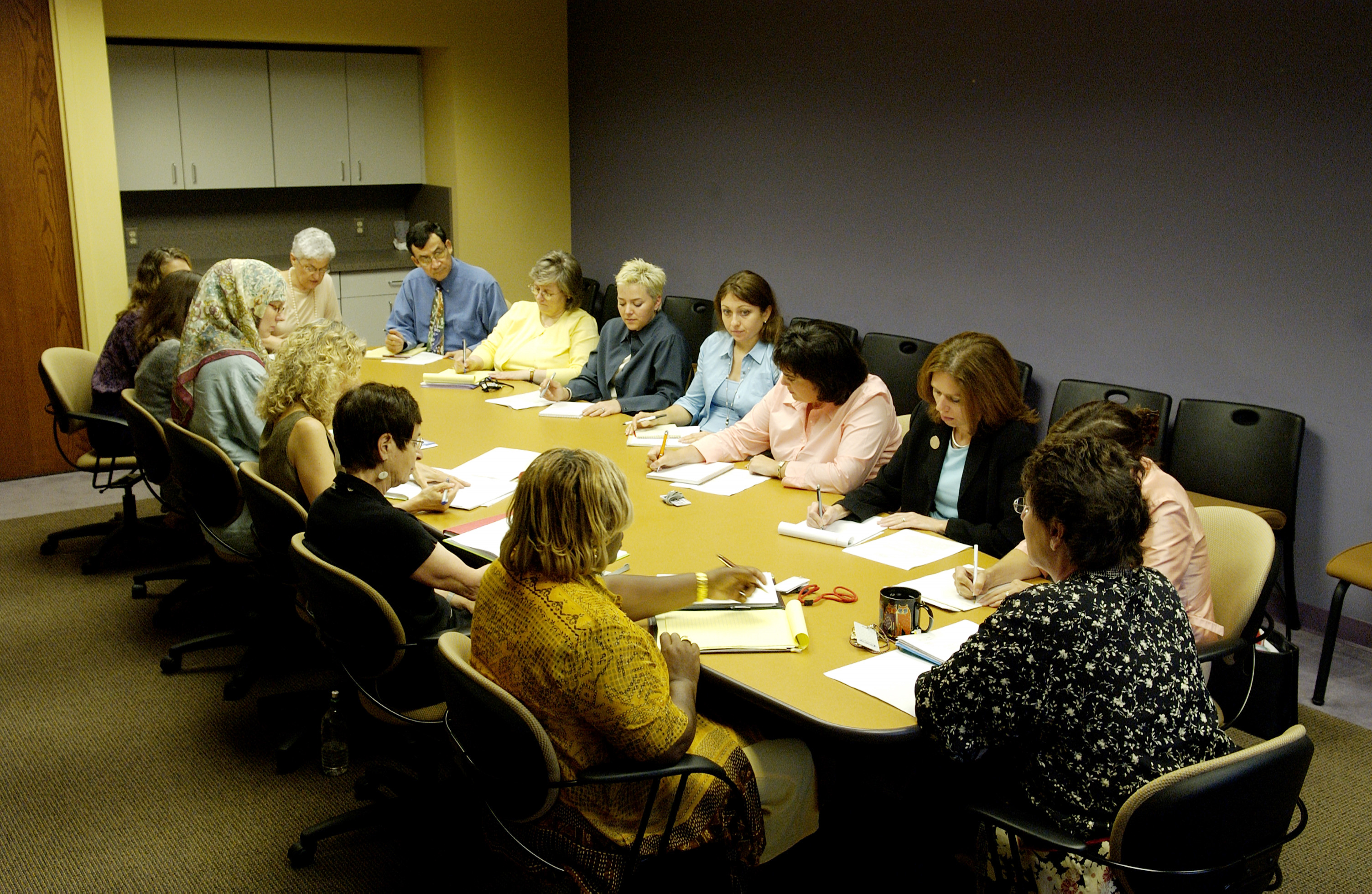
One of the more useful things a person can do after a cancer diagnosis is borrow structure before the diagnosis borrows all their attention. That sounds dramatic because it is dramatic. But it is also practical. A good coping plan is not about pretending everything is fine. It is about building a few rails so you do not have to invent the whole staircase during a hard week.
Terminology: The Small Dictionary That Helps
Medical conversations love abbreviations the way a bad app loves hidden menus. If the words are starting to blur together, here is a quick translation layer.
| Term | Plain-English meaning | Why it matters |
|---|---|---|
| Coping | The mix of thoughts, routines, support, and decisions that help someone function during stress. | Coping is not “being positive.” It is staying steady enough to keep making the next good choice. |
| Support group | A structured group where patients, survivors, or caregivers talk with people in a similar situation. | Support groups can reduce isolation and make the situation feel less like a private planetary disaster. |
| Caregiver | A family member, friend, or other person who helps with practical and emotional care. | Caregivers often need support too, even when everyone is focused on the patient. |
| Palliative care | Specialized care that focuses on symptoms, comfort, and quality of life at any stage of cancer. | It is not the same thing as hospice. It can be used alongside treatment. |
| Oncology social worker | A social worker who helps with emotional, practical, and resource-related needs in cancer care. | They are often the best person to ask when the problem is not medical, but still very real. |
If those terms already make sense to you, good. Keep moving. If they do not, also good. A cancer diagnosis often turns perfectly competent adults into first-time users of a very unfriendly interface.
Emotional Impact of Cancer
People often expect the hardest part of cancer to be the treatment plan. Sometimes it is. But often the first shock is emotional. Fear can show up before symptoms do. Anger can appear in places that used to hold ordinary patience. Numbness can arrive when you expected tears. Some people feel all of it, then feel guilty because they are not “handling it well enough.” That is the trap. There is no prize for performing distress correctly.
The NCI notes that cancer can affect emotions, daily routines, self-image, relationships, and the way a person thinks about the future. That is not a side effect of weakness. It is part of the experience. Families feel it too. A spouse may become a driver, an advocate, a note-taker, and an amateur insurance detective before the week is over. Children may sense tension long before anyone gives them a clear explanation. Everyone in the room is trying to adapt while the room is still moving.
A useful mental shortcut is to ask whether a reaction is understandable and whether it is manageable. A feeling can be completely understandable and still need more support. That is where coping becomes practical instead of philosophical.
If the emotional load is getting heavy, look for patterns rather than single bad days. Persistent trouble sleeping, panic that keeps returning, hopelessness, withdrawal from people, or a sense that nothing matters anymore are not things to politely “wait out” forever. Bring them up with the oncology team. The team cannot help with what it does not know about, and distress often stays quiet until somebody invites it to speak.
For many patients and caregivers, support groups help because they remove the need to translate. In the wrong room, you have to explain everything from scratch. In the right room, people already know what it means when the scan is pending or the steroid schedule has turned the house into a small weather event.
Three emotional truths that help
- Fear does not mean failure. It means the situation matters.
- Needing help does not make you a burden. It makes you a person with a diagnosis.
- Good days do not cancel hard days. The process is not a moral scoreboard.
Coping Strategies for Patients
If I had to compress the patient side of coping into one sentence, it would be this: protect your energy like it is a limited battery, because it is. Treatment already consumes attention. Side effects can drain sleep, appetite, memory, and patience. The goal is not to become an unbothered wellness monk. The goal is to reduce chaos in the places you can control.
1. Build a one-page treatment map
Write down the basics in one place: diagnosis, current treatment phase, medication list, key contacts, allergies, upcoming appointments, and the question you need answered next. This is a boring little move, which is exactly why it works. Under stress, memory becomes a raccoon in a kitchen. A page does not forget.
Bring that page to appointments. If you have ever left a visit thinking, “I meant to ask about that,” then you already know why this matters.
2. Ask one clear question at a time
People often try to be impressively prepared and end up asking six questions at once. Doctors then answer question four while the patient is still trying to remember question two. Not ideal. Start with the single most important thing you need to know before leaving the room.
A few high-value questions are:
- What side effect should make me call right away?
- What is expected, and what is not?
- What can I do at home for nausea, sleep, pain, or fatigue?
- Who do I contact after hours?
3. Track symptoms in a simple log
A basic symptom log can reveal patterns that would otherwise hide inside the week. Record the date, what happened, how long it lasted, and what helped. If nausea always shows up after a particular medication window, or if fatigue spikes on the same day each cycle, the log gives the care team something concrete to work with.
This is not about becoming a spreadsheet person unless that is already your love language. It is about making the invisible visible.
4. Use palliative care early if it is available
Palliative care is one of the most misunderstood tools in cancer care. It focuses on relief from symptoms and stress, and it can be used alongside active treatment. The American Cancer Society’s palliative care guide and the Cancer.Net explanation of palliative and supportive care both make the same point: this is about quality of life, not giving up. If someone has been acting like palliative care is a last-resort label, that is old misinformation in a new suit.
5. Guard sleep, food, and movement as if they are treatment tools
They are. Not magic, not moral, not glamorous. Just useful. Sleep helps the nervous system recover. Regular meals, even small ones, can keep energy from dropping into the basement. Gentle movement, when the care team says it is okay, can help mood and reduce stiffness. None of this cures cancer. It does help the body keep showing up for the work.
If appetite is poor, ask the team about practical food strategies rather than trying to win the world’s worst cooking contest. Cold foods, bland foods, smaller portions, and flexible meal timing are often easier during treatment than elaborate meals that nobody can smell without becoming suspicious.
6. Make a support list before you need it
Write three columns: people who can talk, people who can drive, and people who can do boring errands. It is amazing how many crises become a little smaller when the right person is assigned the right job. This is where a support group can help too. The NCI’s support group guidance notes that groups can be in person, by phone, or online, and they may help people get ideas about how to cope and feel less alone.
That is the point. You do not need ten perfect helpers. You need a few usable ones.
7. Keep some of your ordinary life intact
Cancer is a big enough identity grab already. If there is a favorite show, a walk route, a podcast, a hobby, or a weekly ritual that can survive treatment, protect it. Not because pretending normal life is the answer, but because the rest of you still exists. A diagnosis may be loud, but it should not get to narrate every hour of the day.
| Patient coping move | What it looks like | Why it helps |
|---|---|---|
| One-page treatment map | A paper or note app with meds, contacts, and key questions. | Reduces memory overload. |
| Symptom log | Brief notes on side effects, triggers, and relief. | Helps the care team make better adjustments. |
| Energy protection | Shorter days, fewer commitments, more rest. | Keeps fatigue from becoming the boss. |
| Support list | Names for emotional, transportation, and practical help. | Makes it easier to ask for specific help. |
Supporting Family Members
Family support is where good intentions sometimes collide with terrible timing. Everyone wants to help. Nobody wants to say the wrong thing. Somebody is already exhausted. Somebody else is trying to stay cheerful and is failing with dignity. The house becomes a group project with no shared owner.
The American Cancer Society’s caregiver support page is blunt about a reality many families learn the hard way: caregivers give physical and emotional care, and they can become the lifeline. That means caregivers need protection too. Not because they are the main character, but because the whole system gets shakier when the helper is running on fumes.
What helps families most
- Use plain language. If the patient wants updates, share them without adding dramatic garnish.
- Assign tasks, not vibes. “Let me know if you need anything” is kind but vague. “I can drive Tuesday and Thursday” is useful.
- Keep children informed at their level. Kids usually do worse with silence than with honest, age-appropriate information.
- Take caregiver breaks seriously. The person doing the helping also needs food, sleep, and a way to step out of the room.
- Ask for outside help early. Friends often want to help with meals, rides, errands, or check-ins. Let them.
Families sometimes think they should be able to absorb everything privately, as if needing outside support would mean they are failing the assignment. That is nonsense. Cancer is not a family-values test. It is a demanding event, and events of that size require more than one nervous system.
A simple family script
If you are not sure what to say, try this:
“We do not have to solve everything today. We do need to decide who is doing what this week, and we need to keep talking honestly.”
That sentence is not fancy. It is better than fancy. Fancy can wait. Dinner cannot.
When family support needs a reset
If everyone is sniping, withdrawing, or pretending they are fine while clearly not being fine, pause and reset the process. A brief family meeting can help. Keep it short. List the next appointments, what the patient wants shared, who is handling transportation, and what kind of help is actually welcome. If the emotional situation is turning into repeated conflict, ask the care team about counseling or a social worker referral.
Support is often less about solving the feeling and more about preventing the feeling from becoming the only thing in the room.
Resources for Help
Good coping does not mean doing everything alone. It means knowing where to go when the day gets too heavy for one household. Here are a few resources worth keeping close.
- NCI Coping with Cancer for emotional, lifestyle, and support guidance.
- NCI support groups for details on in-person, phone, and online groups.
- Cancer.Net support groups and online communities for patients, caregivers, families, and friends.
- American Cancer Society support programs for help finding services, transportation, lodging, and more.
- CancerCare support groups for counseling, group support, and practical help from oncology social workers.
- Mayo Clinic coping tips after a cancer diagnosis for grounded, practical advice on talking, journaling, and staying organized.
And because some situations need immediate human support, not just a resource page: if someone is in immediate danger or may hurt themselves, call emergency services right away. If you are in the United States and need urgent mental health support, call or text 988.
If you want more medically focused reading from this site, the Latest Lectures page is the quickest way to browse related material. If you are looking for the broader home base, the home page keeps the current site stream in one place.
A two-day reset when the whole thing feels loud
Some weeks call for a smaller plan. If the diagnosis, treatment, and family logistics all feel too big to hold at once, reduce the job to two days. Day one is for gathering information: write down the next appointment, the main worry, and the one question you need answered. Day two is for getting help: text the person who can drive, call the office if a symptom changed, or ask a caregiver to handle one errand you should not have to carry.
This is not glamorous. It is not an inspirational poster. It is the kind of boring magic that keeps a hard week from becoming a complete systems failure. When people are overwhelmed, a short reset often works better than a giant plan they will never have the energy to open.
- Pick the single most urgent question.
- Write it down before you forget it.
- Ask for one concrete thing, not ten vague things.
- Stop once the task is done.
Conclusion
Coping with cancer is not a single personality trait. It is a series of tiny acts that become easier when they are named, organized, and shared. The patient needs a plan. The family needs a plan. The caregivers need a plan. The plan should not be elegant. It should be usable.
If I had to leave you with a compact checklist, it would be this:
- Keep one page with the diagnosis, meds, contacts, and next questions.
- Track symptoms so the care team can see patterns.
- Use support groups, counseling, social workers, and palliative care early.
- Make family help specific instead of vague.
- Protect sleep, food, and rest like they matter, because they do.
None of that removes the hard part. It does make the hard part a little less wild. That is enough to count as real progress.