Cancer vaccines are moving in two lanes at once. One lane is prevention, where vaccines such as HPV and hepatitis B reduce the cancer risk tied to infections. The other is treatment, where researchers are trying to teach the immune system to recognize a tumor it already missed.
That split matters because expectations get messy when people treat every vaccine the same. Some results are already part of routine public health. Others are still in trials, and the timeline is slower than the headlines. If you want the site-wide context, the Latest Lectures page keeps related material in one place, and the homepage gives the wider picture.
Current State of Cancer Vaccines
The most useful way to think about cancer vaccines is to separate prevention from treatment. Preventive vaccines target infections that can lead to cancer later. The National Cancer Institute explains the HPV and cancer connection clearly, and the CDC’s HPV vaccine guidance shows how prevention is handled in practice: by reducing the chance that a cancer-causing infection gets established in the first place. See the NCI overview of HPV and cancer, the NCI HPV vaccine fact sheet, and the CDC HPV vaccine page.
Therapeutic cancer vaccines are different. They are designed for people who already have cancer, and the goal is to help the immune system recognize tumor cells more effectively. That work is promising, but it is not a universal answer. The future is more likely to be selective than sweeping: specific cancers, specific biomarkers, and specific combinations of treatment.
- Preventive vaccines are already part of public health and help reduce cancer risk linked to infection.
- Therapeutic vaccines are still largely in development and testing.
- Combination strategies may matter more than single-agent promises.
The baseline expectation should be simple: the prevention side is established, and the treatment side is still earning its place.
Research and Development
The field is moving toward more personalized designs. That usually means one of three things: using the immune system to recognize a tumor-specific target, matching the vaccine to features of a patient's cancer, or combining the vaccine with other immunotherapies so the immune response has a better chance of holding its ground.
One active way to see that research landscape is the public ClinicalTrials.gov search for cancer vaccines. It shows how broad the field is, from early concept studies to later-stage trials that are trying to answer a much narrower question: which patients actually benefit, and under what conditions?
A few research directions draw the most attention:
- Personalized vaccines: these are designed around the tumor features that matter most for one patient or one subtype.
- Neoantigen targeting: researchers look for abnormal markers on tumor cells that can serve as a more precise immune target.
- mRNA-based platforms: these are appealing because they can be built faster and adjusted more easily than older approaches.
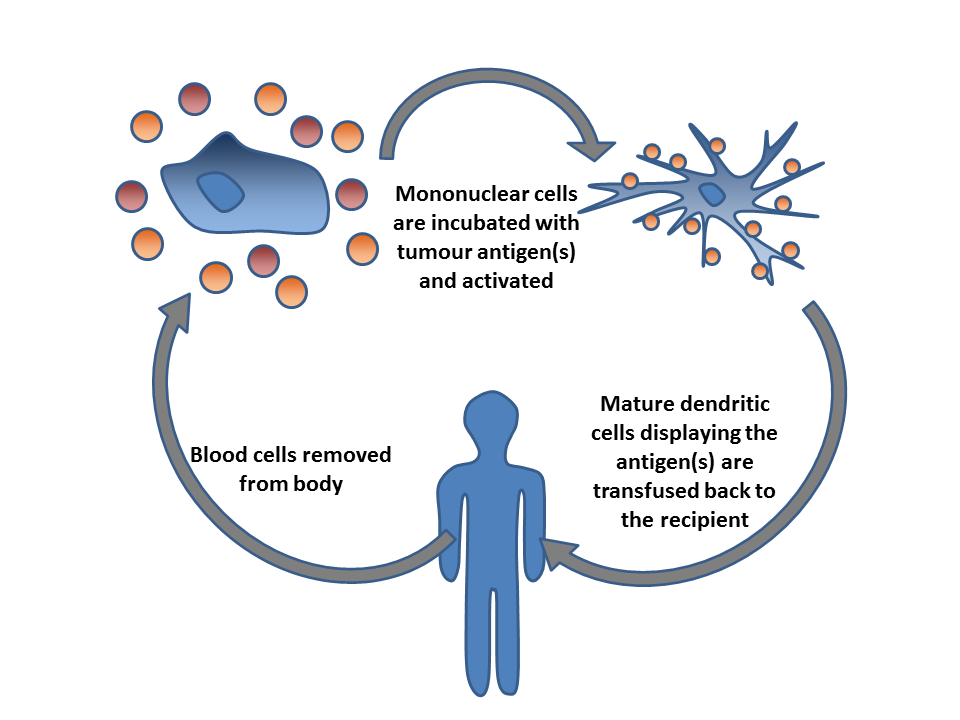
- Dendritic cell strategies: these try to use the body's antigen-presenting cells to train the immune system more effectively.
At the level of operations, these studies also depend on clean data capture, specimen tracking, and follow-up. When a trial grows, the support system can become its own failure mode. The hidden technical debt of AI-generated web apps is a useful reminder that a research database or trial workflow needs to stay simple enough to audit, even when the science gets more ambitious.
That is not a software detour. It is part of the research problem. A good vaccine candidate can still stall if the supporting workflow is a mess.
Challenges in Vaccine Development
The hard part is not imagination. The hard part is biology.
| Challenge | What it means in practice | Why it matters |
|---|---|---|
| Tumor diversity | Different cells inside the same cancer may not share the same target. | A vaccine that fits one cell type may miss another. |
| Immune evasion | Tumors can hide, suppress, or distract the immune response. | The body may get the signal too late or too weakly. |
| Manufacturing and timing | Some vaccines must be tailored and delivered at the right point in treatment. | Personalization is powerful, but it can be slow and costly. |
| Trial design | Researchers must decide which outcomes really count. | Good evidence depends on more than a promising immune signal. |
The clinical question is not whether the idea sounds elegant. It is whether the immune response is strong enough, specific enough, and durable enough to matter. That is why researchers often combine vaccines with checkpoint inhibitors, surgery, or other treatments rather than expecting the vaccine to carry the whole load alone.
There is also a plain operational challenge: follow-up. Cancer vaccine studies can require careful tracking over long periods, and a missing data point can be more damaging than it looks. The science deserves a clean recovery path, not a spreadsheet with three hidden tabs and a prayer.
Patient Perspectives
From a patient's point of view, the important question is not “Is this the future?” The useful question is “What kind of future, for which cancer, and at what stage of care?” That keeps the conversation grounded.
If a doctor mentions a cancer vaccine, these are the questions worth asking:
- Is this a preventive vaccine or a treatment vaccine?
- Is it standard care, or is it only available in a trial?
- What outcome is the team trying to improve: recurrence risk, response, survival, or something else?
- What side effects and follow-up visits should I expect?
- How does this fit with the rest of my treatment plan?
That checklist matters because hope is most useful when it is specific. A patient does not need a slogan. A patient needs to know what the study is trying to do, what the evidence shows so far, and what would have to happen before the approach becomes routine.
In practical terms, vaccine therapy may eventually be more useful earlier in the disease course, when the immune system still has room to respond. It may also matter most in cancers with identifiable targets or in combination regimens where another treatment has already weakened the tumor's defenses.
Conclusion
The future of cancer vaccines is real, but it is not one future. Prevention is already making a difference in infection-linked cancers. Therapeutic vaccines are still working through the hard questions of target selection, durability, timing, and delivery. The field is moving forward, but it is doing so by tightening the evidence, not by skipping it.
That is the safest expectation: more personalization, more combination strategies, more careful trial design, and a narrower but more credible path from lab idea to clinical use. The promise is not a cure-all. The promise is better targeting, better selection, and better odds that the immune system gets a useful instruction instead of a vague suggestion.
If you want to keep following related coverage, the Latest Lectures page is the best next stop, and the homepage keeps the wider collection in view.