Inflammation is useful when it does its job and inconvenient when it refuses to leave. A short burst of inflammation helps the body heal after injury or infection. Chronic inflammation is the problem version: the signal stays on, the tissue keeps paying the bill, and the damage starts to matter.
The National Cancer Institute notes that chronic inflammation can damage healthy cells and increase cancer risk. If you want the broader site context first, start with the homepage and then move to Latest Lectures for related medical topics.
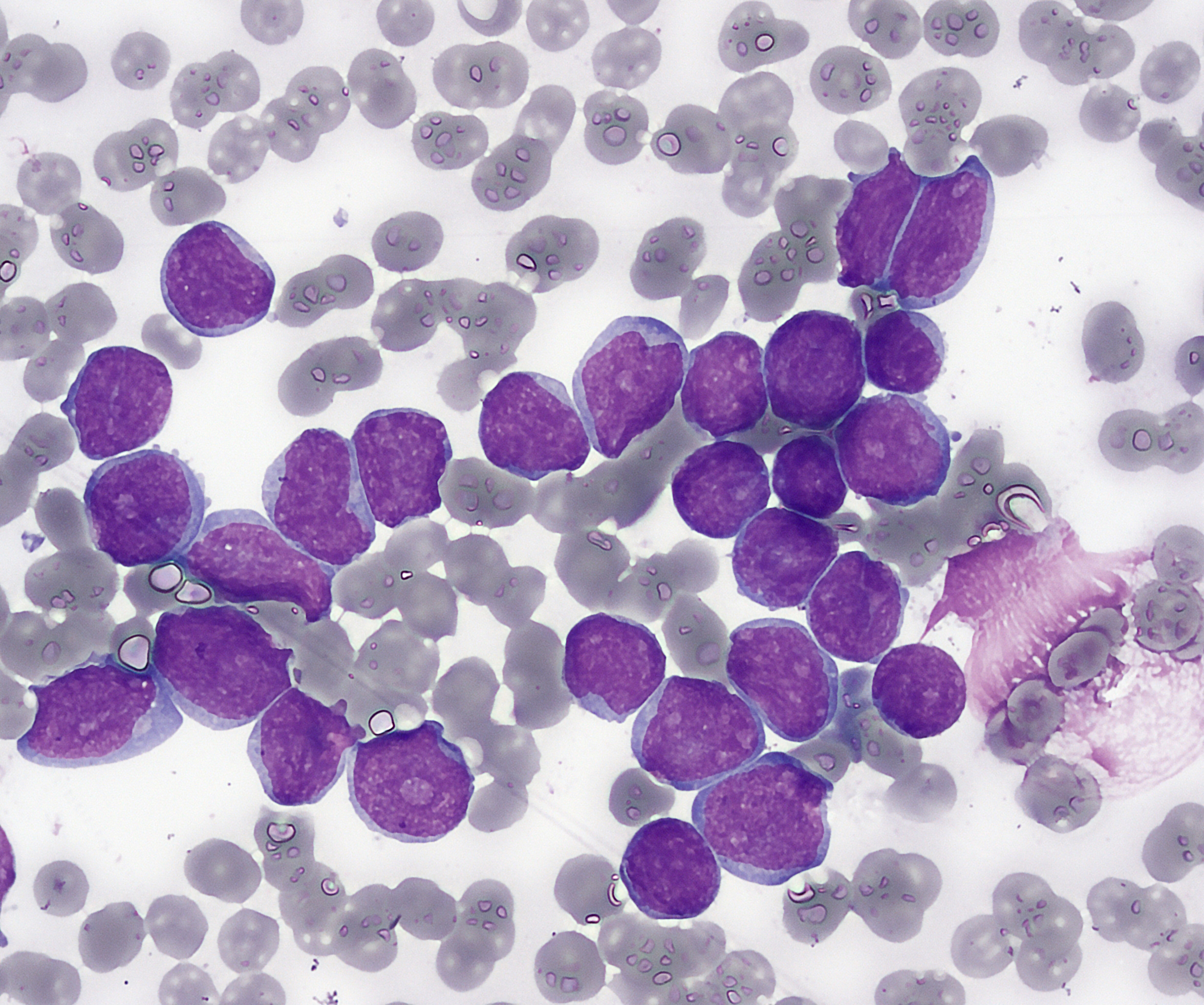
What is inflammation?
Inflammation is the body’s response to injury, infection, or another threat. In the short term, it is protective. Blood flow increases, immune cells move in, damaged tissue is cleared, and repair begins. That is the normal system working as designed.
The trouble starts when the response does not shut off. Chronic inflammation can come from ongoing infection, autoimmune disease, obesity, smoking, or repeated tissue injury. The NCI’s overview of chronic inflammation explains that this long-running response can create conditions that are more favorable to cancer development.
In plain language, inflammation is not automatically bad. Persistent inflammation is. The difference is not academic. It changes the risk profile.
The inflammation-cancer link
Scientists usually describe the inflammation-cancer link in a few overlapping steps. Chronic inflammation can damage DNA, increase cell turnover, alter signaling pathways, and change the local tissue environment. That gives abnormal cells more opportunities to survive, adapt, and grow.
A useful way to think about it is this: healthy tissue can usually recover from a brief insult. Tissue that is repeatedly injured and repaired has more chances for mistakes. More repair means more cell division. More cell division means more opportunities for mutations to accumulate. Biology does not need to be dramatic to be dangerous.
The National Cancer Institute has also discussed targeting inflammation as a cancer strategy, which reflects how seriously researchers take the tumor environment around cancer cells. Inflammation can shape that environment by affecting blood vessels, immune activity, and the signals that tell cells when to grow or stop.
Research findings
The evidence is strongest for long-term, disease-level inflammation rather than for a single temporary flare. That matters because not every swollen joint or sore throat belongs in the same conversation as cancer risk. The question is whether inflammation is chronic, widespread, and persistent enough to alter tissue behavior over time.
| Research pattern | Why it matters | Practical takeaway |
|---|---|---|
| Inflammatory bowel disease, hepatitis, and other chronic inflammatory conditions | Repeated tissue injury and repair can raise risk in specific organs | The organ system affected by inflammation often determines the cancer risk |
| Inflammation markers in blood and tissue | Researchers can sometimes correlate inflammatory activity with cancer risk or progression | Biomarkers help describe the pattern, but they do not replace clinical judgment |
| Anti-inflammatory approaches in oncology research | Scientists are testing whether calming inflammation can improve prevention or treatment | Promising, but not a substitute for standard cancer care |
A 2019 review in PubMed Central summarizes the mechanisms linking chronic inflammation to tumor initiation, growth, and spread. Another review in PubMed Central, Inflammation and Cancer: Triggers, Mechanisms and Consequences, goes deeper into how repeated inflammatory signaling can change the tissue environment.
That is the clean summary: inflammation can be part of the body’s defense system, but chronic inflammation can become a risk factor because the tissue never gets a real reset. Not all risk is loud. Some of it is just repetitive.
Preventive measures
You cannot remove every source of inflammation from life, and nobody should try. The practical goal is to reduce persistent, modifiable drivers of chronic inflammation and to keep known inflammatory conditions under control.
- Manage chronic conditions well. Work with a clinician to keep autoimmune disease, inflammatory bowel disease, hepatitis, and similar conditions monitored.
- Do not smoke. Smoking is one of the clearest avoidable sources of chronic tissue irritation.
- Keep up with screening. If inflammation affects a specific organ system, follow the recommended screening schedule for that risk profile.
- Address weight, activity, and alcohol use. These are not moral categories. They are operational ones, and they influence inflammatory burden.
- Report persistent symptoms. Ongoing pain, bleeding, digestive changes, or unexplained fatigue deserve attention rather than optimism.
The point is not perfection. The point is reducing the long-term load. Cancer prevention is often less about one heroic choice and more about a series of boring ones. Boring is underrated.
Conclusion
Inflammation and cancer are linked, but the link is specific: chronic, unresolved inflammation can create conditions that make cancer more likely in some tissues. That does not mean every inflammatory condition leads to cancer, and it does not mean the answer is panic. It means the body’s repair system has a cost when it never gets to stand down.
For readers who want more medical context, the site’s Latest Lectures page collects related material, and the homepage provides the main entry point. If you are following a personal health question, the useful next step is a clinician, not a guess. For teams that manage patient education, intake notes, or follow-up tasks in separate systems, AI integration services can help connect that work without rebuilding the stack.