Bone and mineral research congresses matter because they connect laboratory mechanisms, imaging, and fracture prevention to the decisions clinicians make every day.
Before opening a congress resource, most readers want a quick answer to four questions:
- Which themes dominate a meeting focused on calcified tissue science?
- How much of the program is basic biology versus practical patient care?
- What should clinicians listen for if they care about osteoporosis, fracture risk, and metabolic bone disease?
- Which outside references help place the congress in a wider bone-health context?
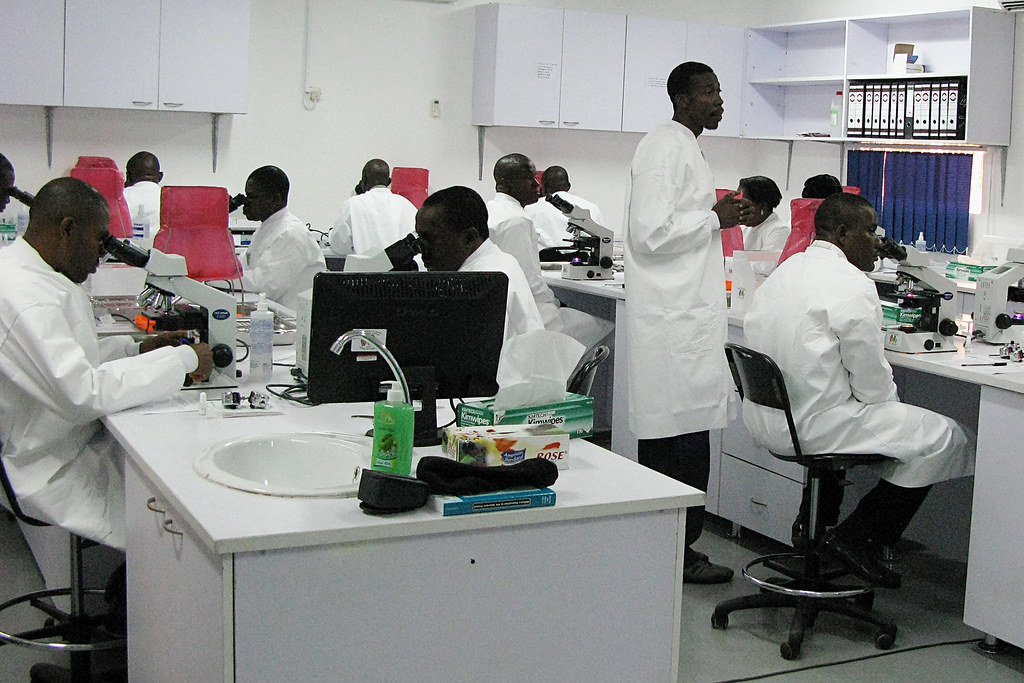
This page treats the 45th European Calcified Tissue Society Congress as a structured entry point into musculoskeletal research. The European Calcified Tissue Society describes its congresses as a meeting place for scientific research and clinical practice. Broader context also comes from the International Osteoporosis Foundation’s ECTS event coverage, the Endocrine Society guideline hub on bone health, and the International Osteoporosis Foundation’s public resource library on osteoporosis and fracture prevention.
What makes an ECTS-style congress useful
A calcified tissue meeting is rarely about a single disease. It usually sits at the intersection of bone remodeling, endocrine regulation, imaging, fracture epidemiology, rare skeletal disorders, and treatment strategy. That makes it valuable for people who need to understand not just what works, but why experts disagree about timing, risk thresholds, biomarkers, and therapeutic sequencing.
If you want a broader route through educational material on this site, the congress overview provides a simple index before you focus on this narrower bone-health topic.
Core terms to keep in view
Calcified tissue
In congress language, this usually points to bone and mineralized tissues, but the real scope is wider. It includes cell biology, endocrine signaling, imaging, epidemiology, and clinical management.
Bone remodeling
Bone remodeling describes the continuous balance between resorption and formation. Many clinically important congress debates come back to how this balance changes with age, disease, medication exposure, and fracture history.
Fracture liaison and secondary prevention
These terms matter because many congress sessions increasingly focus on what happens after a fragility fracture, not only on first-line therapy decisions.
Session tracks that often deliver the most value
1. Translational bone biology
These talks explain how pathways in osteoblasts, osteoclasts, mineral metabolism, and signaling networks influence later clinical strategies. Even if a session is heavily mechanistic, it often shapes how future biomarkers or therapies are framed.
2. Osteoporosis risk and treatment sequencing
Clinicians generally look for the practical part of the program: who needs treatment, how fracture risk is categorized, and how to think about switching, pausing, or intensifying therapy in higher-risk groups.
3. Rare bone disease and complex metabolic cases
ECTS-style meetings are especially useful when routine osteoporosis frameworks do not fit. Rare skeletal disorders, mineralization defects, and inherited disease sessions often provide the clearest cross-talk between basic and clinical science.
4. Imaging, measurement, and outcomes
A good congress program also asks how success is measured. Bone density alone is rarely the whole story. Imaging endpoints, fracture outcomes, adherence, and patient-centered function all matter.
How to read the agenda intelligently
- Prioritize lectures that explain both mechanism and clinical implication.
- Note where speakers define high risk differently, because those differences often reveal the real controversy.
- Watch for sessions linking rare disease knowledge to common fracture-prevention decisions.
- Compare any treatment discussion with society guideline language before applying it to practice.
Why this congress belongs on this site
The Informed Scientist works best when it turns scattered congress titles into usable orientation notes. A bone-focused meeting fits that mission well because it rewards readers who want a cleaner path through complicated educational material rather than a generic event description.
After this page, the site’s blog index can be used as a simple feed of restored article-style resources, while the wider congress section keeps related meeting pages in view.
Bottom line
The 45th European Calcified Tissue Society Congress is best approached as a bridge between mechanism and management. Readers who follow the debates around remodeling, fracture prevention, rare disease, and outcome measurement will get more from the meeting than those who treat it as a simple abstract catalogue.