Post-polio education is most useful when it treats long-term function, fatigue, and daily living as concrete clinical problems instead of historical footnotes.
Readers usually come to a conference page like this with a short list of practical concerns:
- Which symptoms and functional changes deserve the closest attention in post-polio follow-up?
- How should rehabilitation teams balance activity, overuse risk, and energy conservation?
- What makes a post-polio lecture genuinely helpful for clinicians, therapists, and survivors?
- Which outside resources are worth consulting after the congress overview is finished?
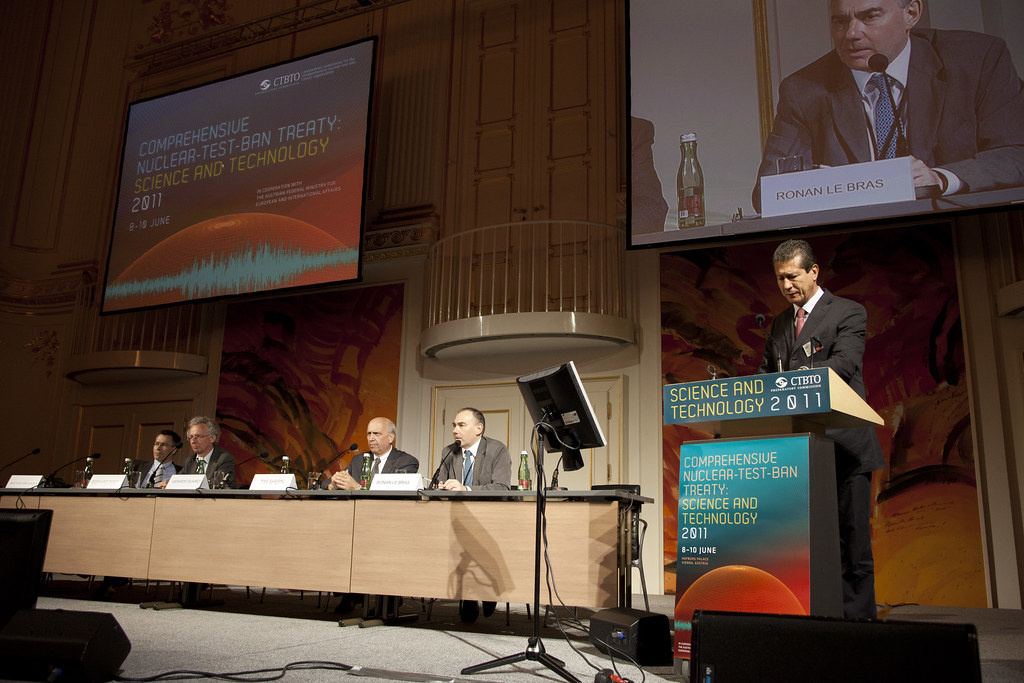
This page frames the European Conference on Post-Polio Syndrome as a practical learning resource for clinicians, rehabilitation professionals, and medically informed visitors. Current reference material from Mayo Clinic, the National Institute of Neurological Disorders and Stroke, and a recent clinical review of post-polio syndrome all point to the same core challenge: people can face new weakness, fatigue, pain, and functional decline long after the original infection has passed.
How to use this conference page
Think of this page as an orientation note before or after a session, not as a substitute for individualized care. The useful question is not “what is post-polio syndrome in the abstract?” but which lecture themes help a team make better day-to-day decisions for mobility, respiratory support, fatigue management, and long-term quality of life?
For a broader event overview on this site, visit the 2nd European Polio Conference page, which complements this more focused post-polio entry.
Terms worth clarifying
Post-polio syndrome
Post-polio syndrome refers to new or worsening symptoms that can emerge after a long period of neurological stability following earlier poliomyelitis. The pattern is heterogeneous, which is one reason broad, multidisciplinary education matters.
Energy conservation
This is more than “take it easy.” In a rehabilitation setting, energy conservation refers to pacing, task prioritization, rest planning, and environmental adjustments that protect function without surrendering independence.
Overuse weakness
Many clinicians and survivors worry about whether training intensity or repetitive effort could worsen weakness. A serious conference session should treat this as a nuanced management question, not a slogan.
Conference themes that deserve close attention
1. New weakness and fatigue
Good sessions usually distinguish between post-polio fatigue, sleep-related contributors, pain-related activity limitation, and new neuromuscular change. That distinction matters because the management plan can differ substantially depending on the driver.
2. Respiratory and sleep concerns
Visitors often underestimate respiratory follow-up until symptoms become disruptive. A strong congress program will usually connect breathing complaints, sleep quality, bulbar symptoms, and function in daily living.
3. Mobility, orthotics, and fall risk
Practical lectures help teams decide when gait aids, bracing, home adjustments, and targeted therapy reduce strain without pushing patients into avoidable deconditioning or preventable falls.
4. Rehabilitation goals that stay realistic
The best educational sessions do not promise a single formula. They show how to match goals to actual functional reserves, household demands, work demands, and symptom patterns.
Questions a careful attendee should ask
- Did the speaker separate symptom description from evidence-based management advice?
- Was there enough attention to respiratory follow-up, swallowing concerns, and sleep quality?
- Were therapy recommendations individualized, or did they rely on one-size-fits-all exercise language?
- Did the lecture address quality-of-life outcomes as well as impairment measures?
Why this topic still matters
Post-polio syndrome often sits between neurology, rehabilitation medicine, respiratory care, and long-term supportive management. That makes conference-based education valuable. It brings multiple disciplines into the same room and gives clinicians a chance to compare how they evaluate fatigue, protect remaining function, and decide when supportive equipment or referral pathways need to change.
For readers who want a practical overview beyond this session, the site’s congress collection and blog index provide a wider route through meeting-based medical topics.
Further reading priorities
A reasonable next step after this conference page is to review the symptom overview at Mayo Clinic, compare it with the NINDS discussion of motor neuron disorders, and then read the recent review article for a more detailed clinical synthesis. That sequence keeps the resource grounded in patient-facing relevance, neurological context, and modern review literature.
Bottom line
The value of a post-polio congress session is not nostalgia. It is the chance to sharpen long-term clinical judgment around fatigue, weakness, mobility, respiratory risk, and daily function. Visitors who keep those priorities in mind will get much more from the program than a simple disease summary can offer.