What minimal residual disease means
Minimal residual disease (MRD) is the small number of leukemia cells that can remain in the body after treatment has reduced the disease to a level that may no longer be visible under a standard microscope. In acute lymphoblastic leukemia (ALL), MRD is important because even a very small remaining burden can influence the chance of relapse and the next treatment decision.
Think of it as checking a room after the lights are dimmed: a quick glance may suggest it is empty, but a more sensitive search can still find what remains. In medicine, that extra search is the point.
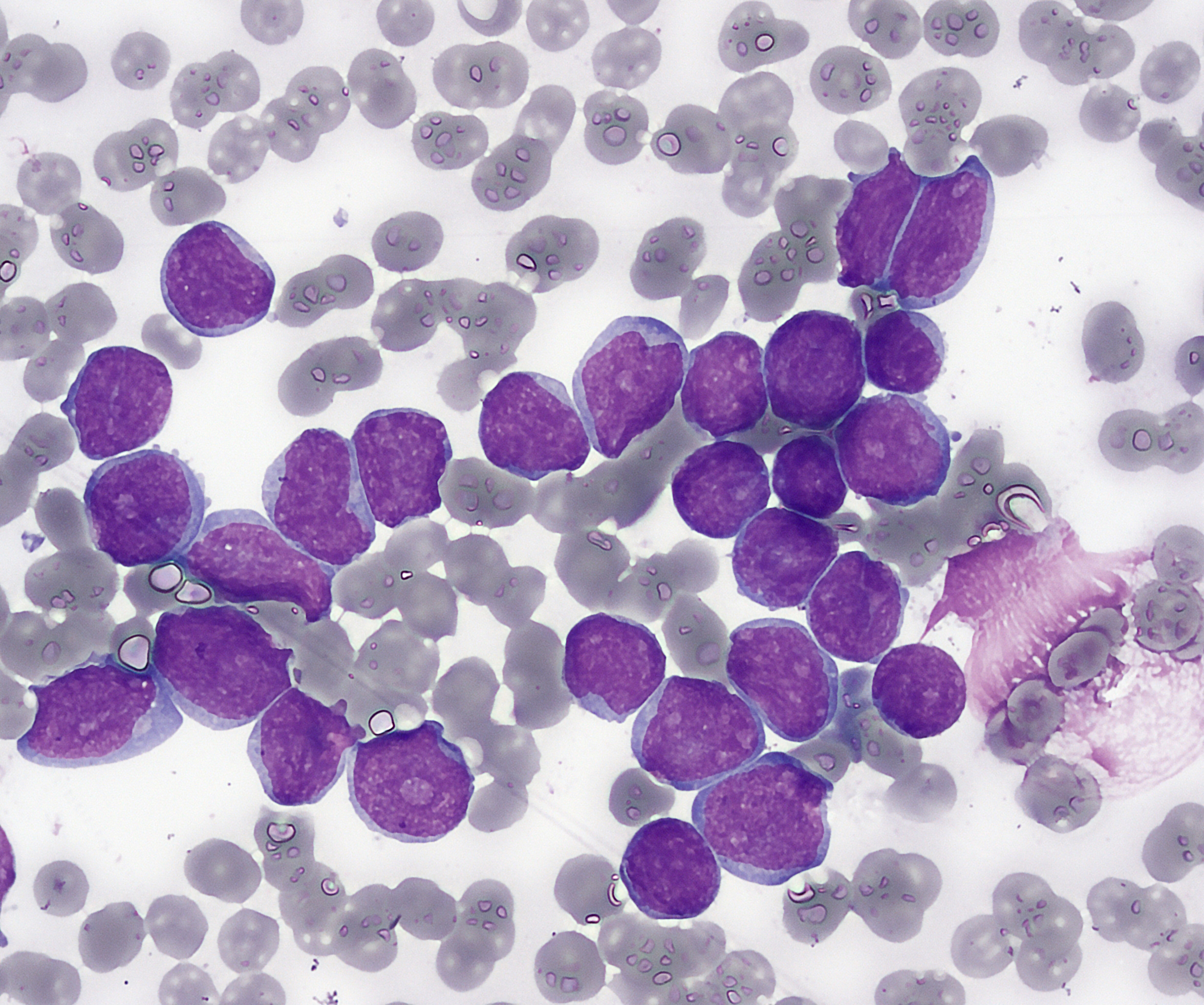
Why MRD matters in ALL
MRD is a useful marker because it helps clinicians judge whether treatment has reached a deeper remission. In ALL, MRD results can influence whether therapy is continued, intensified, or adapted. The point is not to chase a number for its own sake. The point is to make a better decision with less guesswork.
- Prognosis: Detectable MRD after treatment is generally associated with a higher relapse risk.
- Treatment planning: MRD can help guide whether a patient stays on the current path or needs a different strategy.
- Monitoring: Repeated testing can show whether treatment is working over time.
For a broader overview of ALL care, see the latest lectures and the site about page. The home page also highlights the current site structure and educational focus.
How MRD is detected
Several laboratory methods are used, and each has tradeoffs in sensitivity, availability, and how much sample handling they require.
| Method | What it looks for | Strength | Watch for |
|---|---|---|---|
| Flow cytometry | Abnormal cell surface patterns | Fast and widely used | Can be affected by sample quality and lab expertise |
| PCR | Leukemia-specific genetic markers | High sensitivity for known targets | Works best when the target marker is known in advance |
| Next-generation sequencing (NGS) | Genetic signatures of residual leukemia | Very deep detection in some settings | Availability, turnaround time, and interpretation still vary |
A practical view of the tests
Flow cytometry is often the everyday workhorse. PCR can be extremely sensitive when the right marker is available. NGS is expanding the field, especially where clinicians want a more detailed molecular readout. In practice, the best test is the one that fits the patient’s leukemia biology and the lab’s validated workflow.
For a technical reference on current MRD methods, the NCCN leukemia guidelines summarize how MRD is used in clinical decision-making, while the National Cancer Institute provides a clear explanation of the concept. For a plain-language overview of leukemia testing, the American Cancer Society is also useful.
What current research is trying to improve
Current research is less about whether MRD matters and more about how to use it well. Researchers are working on better sensitivity, earlier turnaround, and more reliable ways to match the test to the biology of each leukemia. Studies are also exploring whether MRD-guided therapy can reduce relapse without exposing every patient to the same level of treatment intensity.
- More sensitive assays that can detect lower levels of disease
- Standardization across laboratories so results are easier to compare
- MRD-guided treatment adjustment in clinical trials
- Combining MRD with genomic data to improve risk assessment
Recent reviews in journals such as Nature and Blood show a consistent theme: MRD is becoming more central, but implementation still depends on validated methods and careful interpretation.
What patients often want to know
Patients usually want the same three things: what the result means, how confident the test is, and what happens next. That is reasonable. A result is only useful if it changes a decision in a way that the patient and care team understand.
Helpful questions to ask:
- Which MRD method is being used, and why?
- How sensitive is the test in this setting?
- How will the result affect treatment choices?
- Will the test be repeated, and if so, when?
Good communication matters because MRD can sound more precise than it is. A detectable result is important, but it is still one piece of the clinical picture. The safest approach is to treat MRD as decision support, not as a standalone verdict.
The practical bottom line
MRD is one of the most useful tools in modern ALL care because it helps show how deeply treatment is working. It can inform prognosis, guide next steps, and sharpen follow-up. The tradeoff is that MRD only works well when the test is appropriate, the sample is handled correctly, and the result is read in context. That is not a flaw. It is how good medical decisions usually look.