Psychosocial support is the part of cancer care that keeps the person attached to the plan. Not just the tumor, not just the scan, not just the medication schedule. The person. The one who still has bills, children, sleep problems, a job, a phone full of unanswered texts, and a nervous system that did not ask to be drafted into oncology.
When people search for cancer support, they usually have the same few questions. What kind of help is available? What actually works? Who should ask for it? And what happens if the patient or family keeps trying to carry everything alone? As Viktor Frankl put it, “When we are no longer able to change a situation, we are challenged to change ourselves.” In cancer care, that usually means changing the support structure, not pretending the stress will politely vanish on its own.
The National Cancer Institute’s coping with cancer guide, its support group guidance, and its depression fact sheet make a simple point: emotional support, practical support, and symptom management belong in the same care map. CancerCare’s support group programs point in the same direction. That matters because psychosocial support is not decoration. It is part of the treatment system.
If you read to the end, you will understand what psychosocial support means, which forms it takes, why it improves coping for patients and families, and how to get it without waiting for the situation to become a crisis. If you want the broader site context, home page keeps the main stream in one place, and Latest Lectures collects related educational material.
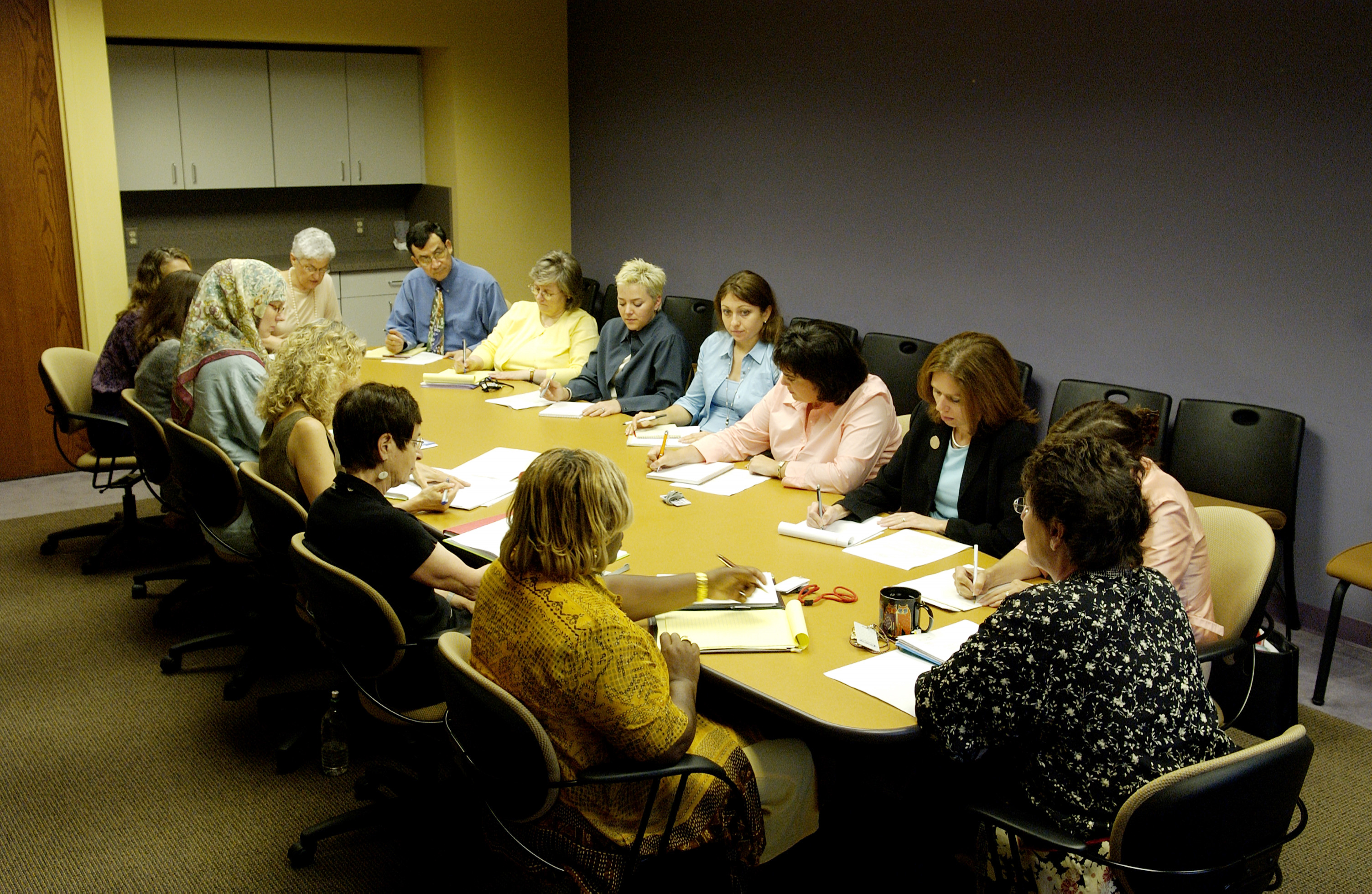
Understanding Psychosocial Support
I think of psychosocial support as the layer of care that deals with the human side of cancer. The “psycho” part is the emotional and mental load: fear, grief, anxiety, depression, confusion, and the mental fatigue that comes from making too many decisions too quickly. The “social” part is everything around the patient: family roles, work, money, transportation, childcare, isolation, and whether there is anyone left to answer the phone when the day goes bad.
That definition is deliberately broad because cancer does not live in only one part of life. A diagnosis can disrupt sleep, relationships, appetite, identity, faith, and the ability to hold a sentence together during a clinic visit. Psychosocial support tries to reduce that disruption. It can be formal, like counseling, or practical, like a social worker helping with transportation, or relational, like a support group where nobody needs the whole backstory.
The reason this matters is simple: a cancer plan that ignores distress is incomplete. The NCI’s distress resources exist because emotional strain can affect treatment experience, decision-making, and quality of life. The site is not saying “be positive.” It is saying that distress is real, common, and worth treating as part of care.
What psychosocial support is not
- It is not forced optimism. Telling someone to “stay strong” is not the same thing as support.
- It is not only for severe mental health crises. Early support is often easier than waiting until everything is brittle.
- It is not a replacement for medical treatment. It works alongside oncology care, not instead of it.
- It is not only for the patient. Families and caregivers often need support just as much.
That last point is easy to miss. Cancer changes the patient, yes, but it also changes the room around the patient. The spouse becomes a scheduler. The adult child becomes a translator. The friend who used to send funny texts is suddenly trying to make sense of lab values. A good support system notices that shift and gives those people a place to stand.
| Term | Plain-English meaning | Why it matters |
|---|---|---|
| Psychosocial support | Help for the emotional, practical, and social effects of cancer. | It reduces the strain that can make treatment harder to live with. |
| Distress | Emotional suffering, worry, sadness, fear, or overwhelm. | Distress can affect sleep, decisions, communication, and coping. |
| Support group | A structured conversation with people in similar situations. | It can reduce isolation and help people trade practical ideas. |
| Family counseling | Guided conversations that help a family handle cancer together. | It can lower conflict and improve communication. |
| Oncology social worker | A professional who helps with practical, emotional, and resource needs. | Often the fastest route to real-world support. |
When I strip away the jargon, the point becomes clearer. Psychosocial support is the part of cancer care that asks, “How do we keep the whole system working while treatment is happening?” That is not a soft question. It is an operational one.
Types of Support Available
There is no single support type that works for everyone. Some people want private conversations. Others want a room full of people who already understand the weirdness of treatment. Others need help coordinating family life because the calendar has become a hostile actor. A useful care plan often mixes several layers at once.
| Support type | What it looks like | Best used when |
|---|---|---|
| Individual therapy | One-on-one counseling with a licensed mental health professional. | The patient needs privacy, continuity, or help with anxiety and depression. |
| Support groups | Peer groups in person, by phone, or online. | The patient or caregiver needs perspective, normalization, and shared tips. |
| Family counseling | Guided sessions that include spouses, children, or other caregivers. | Cancer is stressing the household communication pattern. |
| Social work and navigation | Help with referrals, transportation, finances, lodging, or paperwork. | The practical load is starting to eat the medical one. |
| Online resources | Telehealth counseling, moderated communities, educational tools. | Travel is hard, time is tight, or privacy matters. |
| Palliative and supportive care | Specialist help for symptoms, comfort, and quality of life. | Symptoms are affecting daily life or treatment feels too heavy. |
Individual therapy
Individual therapy is the simplest form to describe and one of the hardest to do well if someone is under pressure to “just get on with it.” It gives the patient a private space to say the things that are uncomfortable in front of family or the oncology team. That might be fear of dying, guilt about being a burden, anger about a diagnosis, or the strange emotional flatness that sometimes shows up when the brain has had enough.
In practice, therapy can help with anxiety, depression, insomnia, panic, body image changes, and the feeling that the diagnosis has swallowed the rest of life. Cognitive behavioral therapy, for example, is one of the better-studied approaches in cancer care because it gives people concrete tools for thinking, coping, and behavior. This is not magic. It is a usable method.
A 2026 meta-analysis of randomized controlled trials on cognitive behavioral therapy for depression and anxiety in people with cancer found it effective for those symptoms. That is the kind of finding that matters because it turns therapy from a vague comfort item into a documented support tool.
Support groups
Support groups are useful for a very specific reason: they reduce translation overhead. In the wrong room, a patient has to explain the diagnosis, the treatment, the side effects, and the emotional weather before the actual conversation can start. In the right group, people already know what it means when a scan is pending, steroids have wrecked sleep, or the week has turned into a logistical swamp.
The value of support groups is not just emotional. They often share practical tactics too: how to prepare for appointments, what to pack for treatment days, how to talk to children, or how to survive a rough medication cycle without turning the kitchen into a minor disaster zone.
That is not theoretical. A 2026 systematic review and meta-analysis on psychosocial support groups for women with cancer focused on alleviating loneliness and improving mood. Another review on psychosocial interventions for families with minor children affected by parental cancer shows how much attention the family side of care continues to receive. The evidence keeps pointing to the same plain conclusion: people do better when they are not left to interpret cancer alone.
Family counseling
Family counseling is where the support system gets more precise. Cancer care often strains the roles that families rely on. One person becomes the caregiver. Another becomes the decision-maker. Kids notice more than adults think they do. A parent may be trying to protect everyone by staying vague, which usually just creates more stress in the long run. A structured family conversation can clean up that mess before it spreads.
Family counseling can help families decide what to share, when to share it, how to divide tasks, and how to talk about fear without making it the only topic in the room. It is also useful when the patient and family do not agree on how much detail should be discussed. That disagreement is common. The room just needs a process, not a winner.
Recent reviews continue to examine family-focused support because the household is part of the treatment environment. That should not surprise anyone. A patient recovering in a calm, organized home is in a very different situation from a patient recovering in a house where nobody knows who is driving, who is cooking, or who is allowed to say they are exhausted.
Online resources and telehealth
Online support is not a consolation prize. For some patients it is the only realistic way to get help. Travel is hard, immunosuppression changes the risk calculation, work schedules are messy, and some people simply do not want to walk into a waiting room and explain their life to strangers. Telehealth counseling, moderated online communities, and virtual support groups can make the difference between “I should probably get help” and actually getting it.
Care has also become more flexible. CancerCare, for example, offers online and phone-based group programs that can fit around treatment schedules. That kind of flexibility matters because the support system should adapt to the patient, not force the patient to become more available to the system.
Social work, navigation, and practical help
One of the most underrated forms of psychosocial support is the boring kind that nobody puts on a brochure: paperwork help, transportation planning, lodging coordination, financial resources, disability forms, and referral tracking. These are not side issues. They can decide whether a patient can actually keep appointments and stay in treatment.
An oncology social worker often becomes the person who translates the care plan into real life. That might mean helping a family find childcare on treatment days, getting a patient connected with a local support group, or finding a resource for food assistance when chemo has made cooking feel impossible. It is not glamorous work. It is effective work.
Palliative and supportive care
Palliative care deserves a place in a psychosocial article because it overlaps with the same question: what does this treatment do to daily life? The MD Anderson explanation of palliative care is useful precisely because it makes the point without drama. Palliative care helps with symptoms, side effects, and quality of life. It can be used alongside active treatment. It is not a sign that the plan has failed.
In real terms, supportive care can reduce pain, nausea, fatigue, and breathlessness, which in turn lowers stress. And lower stress usually makes the psychosocial part easier too. The system is connected. That is the hidden architecture people miss when they treat emotional support and symptom control as separate lanes.
Benefits for Patients and Families
This is the part where the evidence stops being abstract and starts being useful. Psychosocial support does not erase cancer. It does, however, improve the conditions under which people have to live with cancer. That is a meaningful difference. The benefits usually show up in a few places at once.
1. Better mental health outcomes
When people get support early, they are less likely to sit alone with anxiety until it hardens into something bigger. Therapy, support groups, and counseling can reduce distress, depressive symptoms, and anxiety. A 2026 meta-analysis of randomized trials on CBT for depression and anxiety in cancer is a clean example of that evidence base. It does not claim miracles. It shows that structured psychosocial care can move the needle in the right direction.
That matters because emotional distress is not just a feeling. It affects sleep, appetite, memory, motivation, and the ability to ask the right questions during treatment visits. In other words, the mind is not politely staying in its own lane while cancer treatment happens.
2. Better coping strategies
Support teaches people how to respond instead of just react. That might mean learning how to break a problem into smaller pieces, how to prepare for side effects, how to use a symptom log, or how to stop the panic spiral before it takes over the afternoon. Coping is not a personality trait. It is a set of skills, and skills can be taught.
The NCI and CancerCare both push this logic in their resources. They give patients and families concrete ways to plan, ask for help, and find peers who understand the shape of the problem. That is a different game from advice that amounts to “be strong.” Strength is useful, but structure is more useful.
3. Better family communication
Family communication often improves when a third party is in the room. A counselor can slow down the conversation, translate the conflict, and help everyone stop talking around the problem like it is a suspicious object on the floor. Families do best when they can name the practical issues, the emotional issues, and the boundaries without collapsing the whole thing into a fight.
A good family session can answer questions like: Who is updating whom? What details should the children hear? What kind of help does the patient actually want? Who is handling transportation, meals, and medication reminders? That sounds basic because it is basic. Cancer has a habit of making basic things hard.
4. Lower loneliness and caregiver burden
Loneliness is not a side effect that belongs only to the patient. Caregivers can become isolated too, especially when they are trying to keep the household stable while managing appointments and work. Support groups can help because they remind people that the struggle is not unique and not shameful. A 2026 systematic review and meta-analysis on support groups for women with cancer specifically highlights loneliness and mood as outcomes worth improving.
That is important because loneliness changes how hard everything else feels. When people are isolated, small tasks become larger. When they feel seen, the same tasks become more manageable. The emotional arithmetic changes.
5. Better follow-through with treatment
Support can also improve adherence and follow-through because patients are more likely to keep appointments, report side effects, and ask for help before a problem becomes a crisis. That is not because support groups are motivational posters with better lighting. It is because people who are less overwhelmed can participate more clearly in their own care.
Families benefit from the same effect. When the system is organized, there are fewer missed rides, fewer confusion loops, and fewer “I thought someone else was handling that” moments. Cancer care already contains enough friction. Psychosocial support removes some of the avoidable kind.
What the studies are really saying
It is easy to treat studies as decoration. Better to treat them as directional signals. The recent CBT meta-analysis, the support-group meta-analysis, and the review of family interventions are all pointing in the same direction: patients and families cope better when emotional and practical support is built into care. That does not mean every intervention works for every person. It does mean the evidence base is strong enough that support should be treated as standard thinking, not a luxury feature.
In the language of care design, psychosocial support is not a bonus module. It is part of the core workflow. Leave it out and the whole system leaks.
How to Access Support
The best support in the world is useless if nobody knows how to ask for it. Most people wait too long because they assume support will appear automatically, or they do not want to bother the team, or they think the distress is “not bad enough” yet. That delay is common, but it is also avoidable.
Start with the oncology team
Ask the oncologist, nurse, or patient navigator a direct question: “Who handles psychosocial support here?” That one sentence is often enough to open the right door. Many centers have social workers, psychologists, psychiatry referrals, counseling programs, or group resources already in place. The team may also know which options are covered by insurance or available on a sliding scale.
If the clinic already screens for distress, ask to see the result and ask what happens next. Screening without follow-up is just paperwork with a conscience. The useful part is the referral path after the score.
Ask for specific referrals
Do not settle for “we have resources somewhere.” Ask for the exact name of the program, the phone number, the contact person, or the online signup page. Specificity helps. If the patient needs individual therapy, say so. If the caregiver needs a group, say that. If the family wants counseling together, say that. Specific asks are easier to fill.
Here is a simple script:
“We need psychosocial support for the patient and caregiver. Can you refer us to a social worker, counselor, or support group that fits this diagnosis and schedule?”
That sentence works because it names the need without making the staff guess at the category.
Use reputable national resources
When a local option is hard to find, national organizations can be the fastest route to help. A few reliable starting points are:
- NCI Coping with Cancer for emotional and practical guidance.
- NCI support groups for different group formats and what they offer.
- CancerCare support groups for phone and online group programs.
- American Cancer Society coping resources for practical support guidance.
- MD Anderson palliative care guidance for symptom and quality-of-life support.
Use whichever one is closest to the patient’s reality. A good resource is the one the patient can actually reach on a Tuesday afternoon after chemo, not the one that looks impressive in theory.
Check for practical barriers
Access is not only about availability. It is also about timing, transportation, language, cost, privacy, and energy. A patient with low stamina may need telehealth. A caregiver with two jobs may need evening sessions. A family with children may need counseling that includes them. A rural patient may need phone-based support because the nearest center is too far away to make sense.
If the first option does not fit, ask for another one. That is not being difficult. That is fitting the care to the life.
Build a simple support map
If I were setting this up for a newly diagnosed patient, I would build a one-page support map. Nothing fancy. Just the contacts that matter. The map might include the oncology social worker, a therapist, a support group, the nurse line, a caregiver backup, and one emergency contact who can actually do something useful. The more overwhelmed the moment, the more useful the map.
| Where to start | What to ask | What you may get |
|---|---|---|
| Oncology clinic | “Who handles psychosocial support here?” | Referral to social work, counseling, psychiatry, or groups |
| Support organizations | “Do you offer patient or caregiver groups?” | Peer groups, education sessions, or navigator help |
| Telehealth services | “Can this be done online or by phone?” | Remote therapy or support meetings |
| Hospital social work | “Can you help with logistics?” | Transportation, lodging, paperwork, financial guidance |
Once that map exists, the family is less likely to panic-search at midnight. That alone is worth the effort.
If you want to keep reading around the site after this article, home page is the easiest place to reset, and Latest Lectures is where the educational archive keeps moving.
Conclusion
Psychosocial support is not a soft extra attached to cancer treatment. It is part of the treatment environment itself. It helps patients manage fear, helps families handle the role changes that cancer creates, and gives everyone involved a little more room to think clearly while the medical work goes on.
If I had to compress the whole article into one practical sentence, it would be this: the sooner a patient and family build a support system, the less likely cancer is to turn every ordinary task into a full-time job. That is true for individual therapy, support groups, family counseling, online resources, social work, and palliative care. It is also true for the less glamorous stuff like transportation help and paperwork. Systems matter. Small systems matter first.
- Psychosocial support means help for the emotional, social, and practical effects of cancer.
- Support can include therapy, groups, family counseling, online tools, social work, and palliative care.
- Studies continue to show benefits for mood, loneliness, anxiety, and coping.
- Access usually starts with the oncology team, then expands through reputable national resources.
My advice is simple: do not wait for the support need to become dramatic before you name it. Ask early. Ask specifically. Ask again if the first option does not fit. Cancer is complicated enough without trying to make the support problem into an after-hours mystery.