The tumor is only half the story. The rest is the part that lives in the body and calendar: sleep, appetite, concentration, pain, energy, mood, work, family life, and the strange little question of whether a person still feels like themselves after treatment.
That is why quality of life belongs in cancer treatment plans from the start, not as a polite afterthought once the hard part is over. The National Cancer Institute’s PRO-CTCAE exists because symptoms need to be reported by patients, not guessed at from across the exam room. The EORTC QLQ-C30 and the FACT-G exist for the same reason: if you want to manage quality of life, you have to measure it with more than vibes and a clipboard.
In practical terms, that means a good treatment plan asks a bigger set of questions than “Did the scan shrink?” It asks whether the patient can eat, move, think, rest, and keep a grip on ordinary life while the cancer team does its work. If you want a broader tour of this site’s treatment-focused material, the Latest Lectures page is the nearest useful rabbit hole, and the home page keeps the rest of the archive in one place.
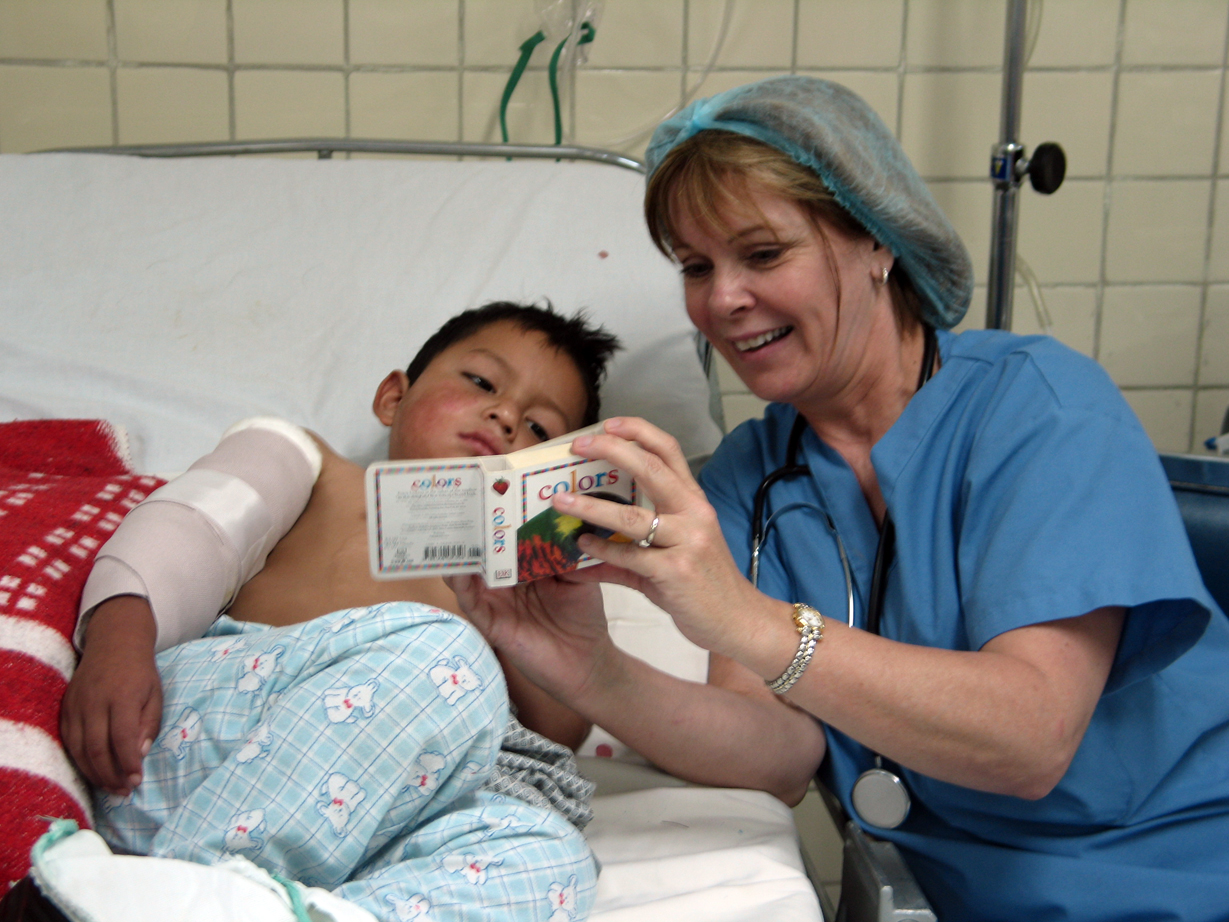
Defining Quality of Life in Cancer Care
Quality of life sounds soft until you look at it closely. In cancer care, it usually means the way a person experiences physical symptoms, emotional strain, relationships, daily function, and a sense of control while living with cancer or recovering from treatment. Health researchers often shorten this to HRQOL, which stands for health-related quality of life. The abbreviation is tidy; the lived experience is not.
I like a plain-English definition better: quality of life is the difference between “I am surviving this treatment” and “I am still able to live my life while this treatment happens.” That does not mean every uncomfortable side effect should disappear. It means the care plan should pay attention to what the patient can tolerate, what matters most to them, and what trade-offs are worth making.
That framing matters because cancer treatment is rarely a single-variable game. A regimen might improve survival but leave someone exhausted, nauseated, foggy, or unable to swallow properly. Another approach might be less aggressive but preserve enough function for a patient to keep working, caring for children, or simply enjoying dinner without a wrestling match. The right answer depends on the person, not the spreadsheet.
What quality of life usually includes
- Physical well-being: pain, nausea, fatigue, sleep, appetite, bowel function, mobility, and other symptoms.
- Emotional well-being: anxiety, depression, fear, uncertainty, and the mental load of waiting for results.
- Social well-being: family roles, friendships, childcare, work, and whether support systems are holding.
- Functional well-being: walking, dressing, eating, concentrating, driving, and doing the boring daily tasks that keep life stitched together.
- Meaning and identity: whether the person still feels like themselves, even when the diagnosis has tried to steal the name tag.
That last item is easy to miss, but it is often the most important. Two patients can have the same diagnosis and the same treatment, yet one may care most about staying at work while the other cares most about speaking clearly to family. A quality-of-life discussion gives those priorities a seat at the table instead of making them stand outside in the rain.
| Domain | What it can look like in real life | Why it matters in treatment planning |
|---|---|---|
| Physical symptoms | Pain, nausea, fatigue, shortness of breath, neuropathy, appetite changes | These can limit adherence, sleep, mobility, and recovery |
| Function | Working, parenting, walking, eating, speaking, concentrating | Function is often what patients notice first when treatment becomes too heavy |
| Emotional health | Worry, low mood, irritability, panic, brain fog from stress | Mental distress can make even a good plan harder to follow |
| Social life | Support from family, transportation, caregiving, loneliness | Support gaps can turn ordinary treatment into an endurance event |
| Patient goals | More time, less pain, better speech, fewer hospital visits, ability to travel | The best plan is the one that matches the person’s real priorities |
That is the whole trick, really. Quality of life is not a decorative side label; it is the human operating system that tells the body whether a plan is workable.
Assessing Quality of Life
Doctors and nurses cannot improve what they do not ask about. That is why quality of life is usually measured with patient-reported outcome tools, symptom checklists, and plain conversation. The tools are useful because they turn vague suffering into patterns. A clinic that wants a lightweight symptom-tracking intake or patient-feedback dashboard might prototype the workflow with a web app generator before committing to a full build. The conversation is useful because not every important thing fits inside a questionnaire bubble.
The PRO-CTCAE focuses on symptom burden as the patient experiences it. The EORTC QLQ-C30 is a broad cancer quality-of-life questionnaire used internationally. The FACT-G measures physical, social, emotional, and functional well-being. None of these tools magically fixes a bad week, but they make the bad week visible, which is the first boring magic step in better care.
Common ways teams assess quality of life
- Patient-reported symptom forms: simple questions about pain, nausea, fatigue, sleep, appetite, bowel changes, and neuropathy.
- Function questions: whether the patient can work, exercise, eat, speak, or manage daily tasks.
- Emotional screening: anxiety, depression, fear of recurrence, or feeling overwhelmed.
- Follow-up conversations: what changed since the last visit, what got better, and what quietly got worse.
- Caregiver input: when appropriate, family observations can help reveal problems the patient is too tired to name.
There is also a useful mindset shift here: not every symptom has to become a scandal before it gets treated. If a patient says the nausea is a six out of ten, that is not the time for heroic denial. That is the time for a plan.
Good assessment also means being honest about baseline function. A side effect that is minor for one person can be devastating for another. Mild hand numbness may be annoying to an accountant and career-altering to a pianist. A little swallowing difficulty may be manageable for one patient and life-shaping for another. The metric is always inseparable from the life around it.
When teams do this well, they create a map instead of a blur. The map can show patterns like “fatigue is worst three days after chemotherapy,” “sleep gets wrecked by steroids,” or “the patient feels fine physically but is close to unraveling emotionally.” That is the point: better information, better decisions, fewer surprises.
Strategies to Improve Quality of Life
Here is the part where treatment gets less like a hammer and more like a workshop. The goal is not to pretend cancer treatment is easy. It is to make it more livable, more coordinated, and less likely to throw unnecessary elbows.
1. Treat symptoms early, not heroically late
Pain, nausea, constipation, fatigue, mouth sores, and sleep problems should be managed early. Waiting until a symptom becomes a small natural disaster usually makes treatment feel worse than it needs to. A proactive plan might include anti-nausea medicine, hydration strategies, pain control, mouth care, or changes to medication timing. In plain terms: do not let the side effect grow legs.
Patients sometimes worry that asking for symptom relief means they are “complaining.” It does not. It means they are providing data. The whole point of the care team is to use that data.
2. Bring palliative or supportive care in early
Palliative care is often misunderstood as “end of life only,” which is a shame, because it is really about improving quality of life at any stage of serious illness. It can sit alongside active cancer treatment and help with pain, fatigue, appetite, breathlessness, anxiety, and care coordination. The best version of it is not a surrender flag. It is a seatbelt.
For a straightforward explanation from a major cancer center, see MD Anderson’s overview of palliative care. The message is simple: if the plan is hard on the body, bring in specialists who are trained to make the body less miserable.
3. Protect nutrition, movement, and rest
Food, movement, and sleep are not magical cures. They are the scaffolding that helps the rest of treatment hold up. Small nutritional adjustments can reduce weight loss and weakness. Gentle physical activity can help preserve strength and stamina when the treatment is trying to sand them down. Better sleep can make pain, mood, and concentration more manageable. None of this needs to look like a fitness influencer’s fever dream. It just needs to be realistic.
- Nutrition: smaller meals, higher-calorie snacks, help from a dietitian when eating becomes difficult.
- Movement: walking, stretching, physical therapy, or rehabilitation tailored to what the body can handle.
- Rest: protecting sleep schedules, managing steroids or other meds that interrupt rest, and asking for help when fatigue is persistent.
Sometimes quality of life improves not because the cancer disappears overnight, but because the patient can finally eat without dread or sleep without being ambushed by symptoms at 2 a.m. That is not a small win. That is the difference between a treatment plan and a punishment schedule.
4. Treat the mind as part of the treatment plan
Cancer is not just a physical diagnosis with a dramatic soundtrack. It is a psychological event. Anxiety, low mood, fear of recurrence, body image changes, and family stress can all creep into the treatment room wearing fake mustaches. Counseling, peer support, social work, and psychiatric care can all be part of good oncology care.
The American Cancer Society notes that support groups can improve quality of life, sleep, and appetite. That is a useful reminder that emotional care is not fluff; it is function. When people feel less isolated, they often tolerate treatment better and communicate more clearly about what they need.
5. Make trade-offs explicit
This is the grown-up conversation every cancer team should be ready to have. What matters more right now: maximum intensity, fewer hospital visits, better function, less pain, ability to work, or preserving speech and swallowing? The answer can change over time, and that is fine. What matters is naming the trade-off instead of pretending there is no trade-off.
When the team asks, “What are you most worried about?” or “What do you want this treatment to protect?” they are not being sentimental. They are gathering the only kind of data that can make the plan humane.
In many cancers, especially when there are several treatment options, quality of life may help tilt the decision. A plan with slightly less disease control may be the right call if it allows a patient to keep working, caring for children, or avoiding a side effect that would wreck daily life. Another patient may choose a harder route because the possible upside is worth it to them. Both choices can be reasonable when the values are spoken aloud.
A five-question clinic script
If you want a practical way to bring quality of life into the room without turning the appointment into a seminar, try a short script. It keeps the conversation concrete and makes it harder for important symptoms to hide in the weeds.
- Which side effects should I report right away?
- What should I track between visits so we can spot patterns?
- Which quality-of-life tool or symptom scale are we using, if any?
- When should supportive or palliative care be part of the plan?
- If this treatment gets too hard, what is the backup plan?
Those five questions sound simple, but they do a lot of work. They move the conversation from “How are you doing?” to “How is this treatment actually living inside your life?” That is the kind of shift that makes care more usable, and usability is not a luxury when people are trying to get through cancer treatment one calendar week at a time.
Patient Stories
The best arguments for quality of life are not abstract. They are human. They show up in the details people actually remember: whether food tastes normal, whether speech is possible, whether pain is quiet enough to let family life continue.
Robin Birthisel: symptom control made treatment more livable
In a MD Anderson piece about palliative care during cancer treatment, multiple myeloma survivor Robin Birthisel is described as benefiting from supportive and palliative care while managing treatment side effects. That matters because it shows the practical version of quality-of-life care: less pain, less nausea, less fatigue, and more room to actually live between appointments.
The lesson from her story is pretty simple and pretty important. When symptoms are controlled, treatment becomes more tolerable. When treatment becomes more tolerable, people are more likely to keep going. That is not a small detail; it is one of the quiet engines of adherence.
Jeannie Hopper: survival and function can both matter
In another MD Anderson patient story, oral cancer survivor Jeannie Hopper talks openly about living with a lisp and swallowing issues after treatment, while still valuing the life she has. That story is honest in the best way. It does not pretend treatment left everything untouched. It says, in effect, “I have trade-offs, and I still count this as life.”
That is a more mature definition of success than “nothing bad happened.” Sometimes treatment changes a body permanently. Quality of life work helps make those changes survivable in the real world, not just acceptable on paper.
These stories also remind us that quality of life is not a universal score. For one person, it may mean less pain. For another, it may mean being able to speak. For another, it may mean getting back to a hobby, or staying out of the hospital, or simply eating with less fear. The target is personal, which is why the conversation must be personal too.
Conclusion
Quality of life is not the decorative ribbon on cancer treatment. It is part of the stitching. A treatment plan that ignores daily life can be technically correct and practically miserable. A treatment plan that accounts for symptoms, function, emotion, and personal goals is more likely to be followed, better tolerated, and more aligned with what the patient actually wants.
If I had to reduce the whole article to one sentence, it would be this: the best cancer care does not just ask how to treat the disease, but how to treat the person who has the disease. That includes measuring symptoms with tools like PRO-CTCAE, EORTC QLQ-C30, and FACT-G; bringing supportive or palliative care in early; and listening carefully when a patient says, “This part of treatment is getting in the way of my life.”
- Quality of life is a core part of cancer care, not a bonus feature.
- Validated tools can measure symptoms and function more reliably than guesswork.
- Supportive care, movement, nutrition, and mental health support can all improve treatment tolerance.
- Real patient stories show that the best trade-off is often the one that protects the life someone is trying to keep living.
If you are a patient or caregiver, bring a simple question to the next visit: What will this treatment do to my day-to-day life, and what can we do now to protect quality of life while we treat the cancer? If you want more related material, you can return to the Latest Lectures page or start again from the home page.