Follow-up care is where treatment becomes survivorship: it turns “we finished therapy” into a plan for healing, monitoring, and next-step decisions.
When you search for information after cancer treatment, these are the questions people usually ask: What follow-up appointments are actually necessary? Which symptoms should trigger a call? How do late effects get managed over time? As the National Cancer Institute notes, follow-up care helps monitor for recurrence and manage long-term effects.
Follow-up isn’t just scheduling. It’s the system that catches problems early, supports quality of life, and keeps care coordinated across oncology, primary care, and-when needed-specialists. For an overview of what follow-up can include, see the National Cancer Institute’s surveillance and follow-up guidance and the American Cancer Society’s “Follow-Up After Treatment” overview.
In this article, you’ll learn: what follow-up care is, why it matters, what effective follow-up often includes, and how to prepare for visits so you get clear decisions-not vague reassurance.
What is Follow-Up Care?
Follow-up care is the planned medical care that happens after active cancer treatment ends. It typically includes scheduled visits, recommended tests or screenings based on your cancer type and treatment history, symptom review, and support for physical and emotional recovery.
It matters because cancer treatment doesn’t end at “the last infusion” or “the last surgery.” Some effects show up later-called late effects-and monitoring for recurrence is part of standard survivorship care for many patients.
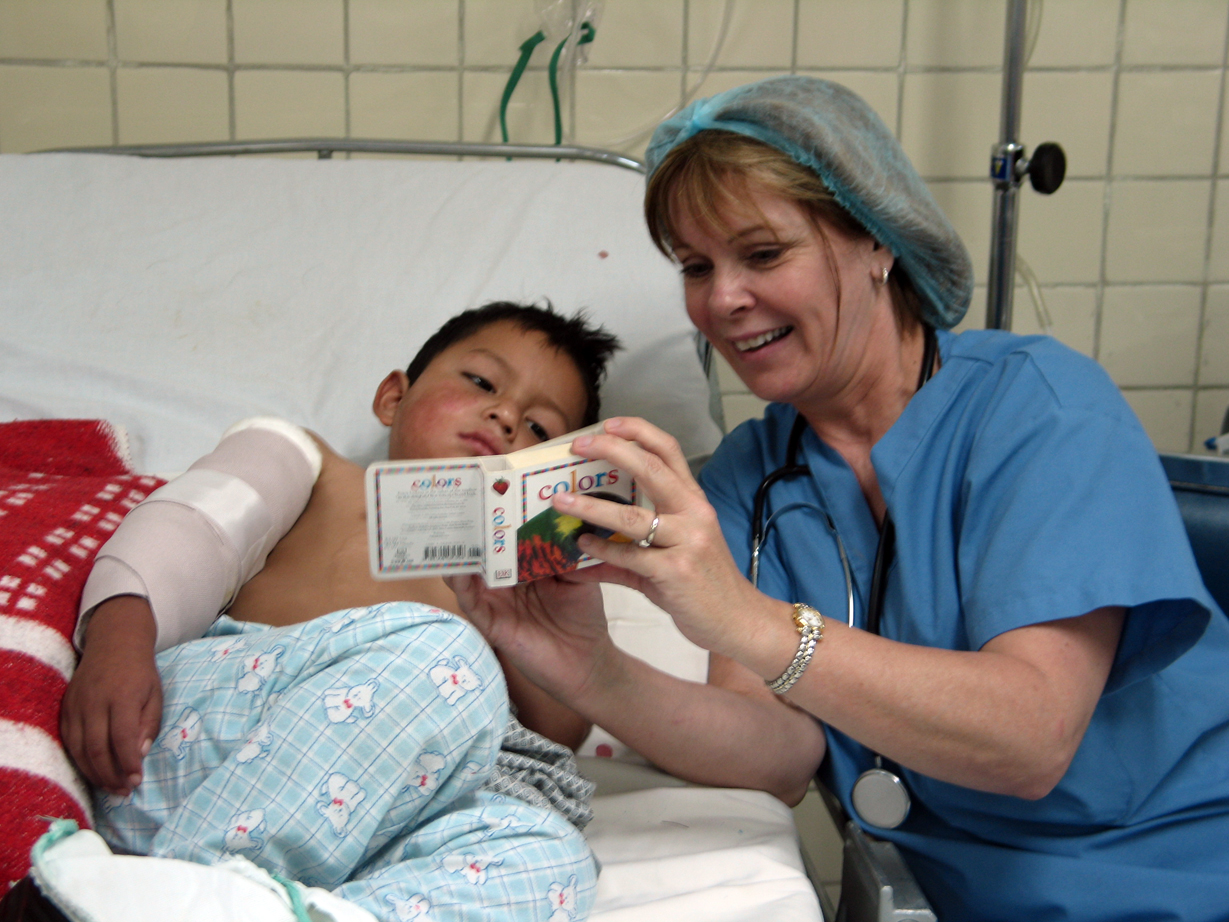
Why Follow-Up Care is Important
Follow-up care supports three goals at once. Think of it as a decision loop: watch, interpret, act early.
- Monitoring for recurrence: visits and tests can help identify concerning changes sooner.
- Managing late and long-term side effects: fatigue, fertility concerns, neuropathy, cardiometabolic issues, and psychosocial stress may evolve over time.
- Optimizing quality of life: rehabilitation, symptom control, and mental health support reduce “survivorship drift,” where needs aren’t addressed because nobody’s tracking them.
Different cancers and treatments have different risks, so follow-up plans should be individualized. A helpful baseline is that survivorship plans often include a summary of treatment and a schedule of recommended assessments. The NCI overview of survivorship care plans explains why treatment summaries and structured follow-up can improve continuity.
Components of Effective Follow-Up Care
Most strong follow-up programs have predictable elements-then flex based on your history. Here’s a practical checklist you can use to evaluate whether your plan is complete.
1) A personalized follow-up schedule
Your visit frequency and testing recommendations should reflect your cancer type, stage, therapies received, and time since treatment. The key is not “more is always better,” but “appropriate is the goal.”
2) Symptom review with clear “when to call” guidance
Effective follow-up includes specific instructions about new or worsening symptoms. You don’t want to be guessing whether something is normal recovery or a reason to contact the oncology team.
Tip: bring a short list of symptoms and questions-what started, how it changed, and what affects daily life.
3) Targeted surveillance (when recommended)
Some patients need imaging or lab work; others mainly need exams and symptom monitoring. Your oncology team should explain the rationale for each recommended test and what results would trigger next steps.
4) Late-effects risk screening and management
Follow-up often includes screening for long-term complications tied to prior treatment (for example, effects on heart, lungs, bones, hormones, fertility, or nerves). The CDC survivorship resources are a useful starting point for understanding the broader survivorship needs.
5) Coordination between oncology and primary care
A common failure mode is fragmentation: oncology focuses on the cancer timeline; primary care focuses on general health; nothing connects the two. The best plans explicitly assign responsibilities and communicate the treatment summary.
6) Psychosocial support
Fear of recurrence, anxiety around scans, changes in sleep, and adjustment difficulties are common. Quality follow-up care includes referral pathways for counseling, support groups, or specialist input when needed.
Patient Stories
Real follow-up experiences vary, but the themes tend to rhyme. Here are three typical “pattern stories” that highlight why follow-up matters-even when you feel okay.
| Scenario | What follow-up helped with | What the patient learned |
|---|---|---|
| “I thought I was done.” Energy was improving, then fatigue returned months later. | Clinicians revisited late-effect risks and checked for concerning causes rather than assuming “it’s just life.” | Follow-up isn’t only about recurrence-it’s about identifying reversible problems early. |
| “I wasn’t sure what to report.” Mild pain became persistent. | A clear “when to call” plan reduced delays and supported timely evaluation. | Symptoms are data. Reporting them is a normal part of survivorship. |
| “My care felt split.” Oncology and primary care recommendations didn’t match. | Care coordination and a survivorship care plan clarified which screenings applied and when. | Good follow-up turns confusion into a schedule and responsibilities. |
If you’re navigating follow-up after cancer treatment, it can help to read other related decision-oriented content on this site, such as the overview and the latest lectures section for educational materials and discussions.
Conclusion
Follow-up care matters because it protects the future you’re building after treatment. It monitors for recurrence when that’s relevant, manages late effects before they become problems you can’t reverse, and keeps care coordinated so you’re not carrying the complexity alone.
Quick decision checklist:
- You know your follow-up schedule and what each visit is for.
- You have explicit guidance on symptoms that require a call.
- Your plan includes late-effects screening and psychosocial support (or clear referrals).
- Your oncology team and primary care are aligned through a treatment summary or survivorship plan.
If you want to make your next appointment more productive, come prepared with your symptom list, treatment history, and 3 priority questions-then ask your team to confirm the next steps in writing.