Genomic profiling is changing how clinicians think about acute lymphoblastic leukemia (ALL). The direction of travel is clear: broad treatment plans are giving way to more precise decisions based on biology, response depth, and measurable risk. That does not make genomics a shortcut. It makes it a tool for better judgment.
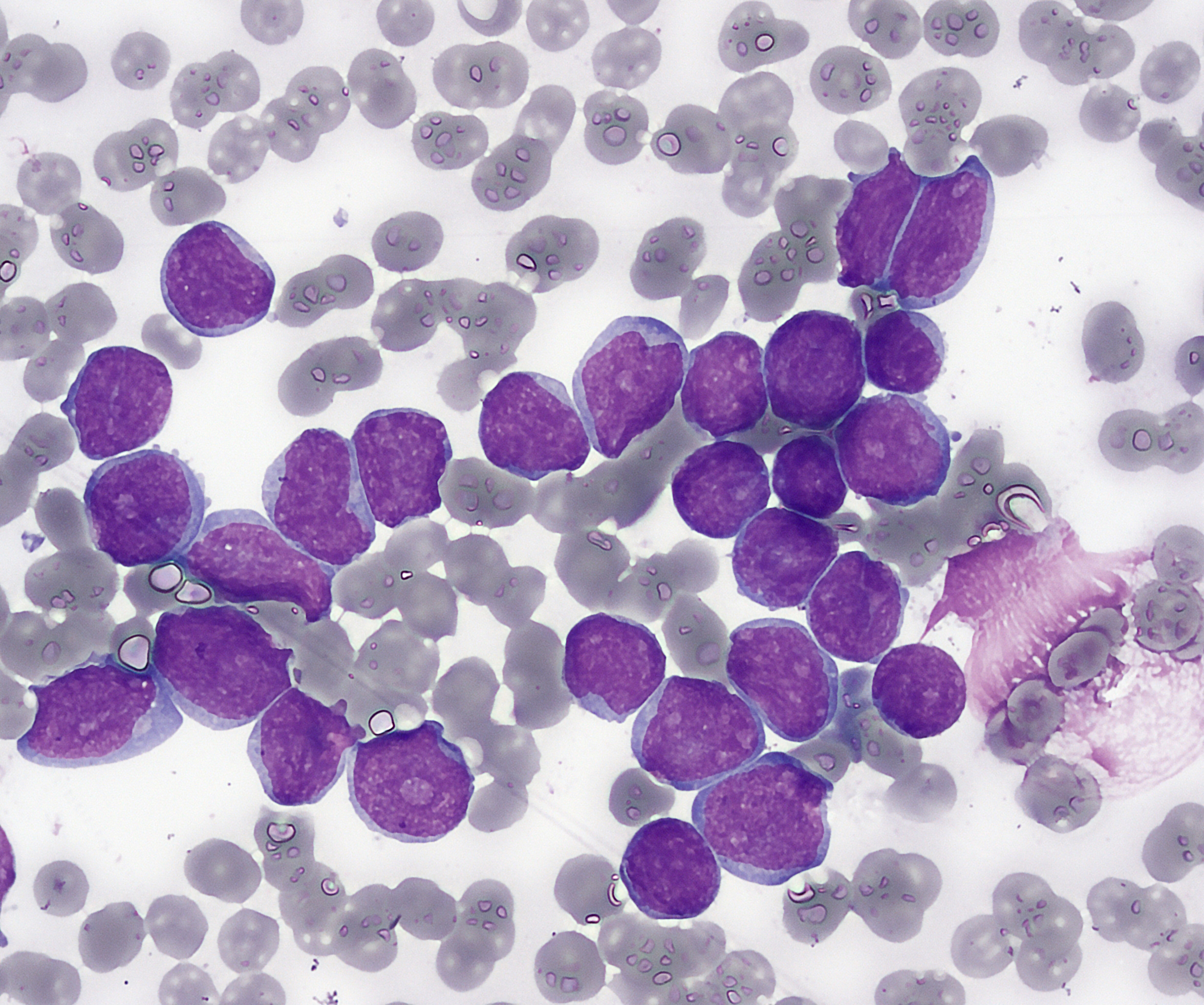
What clinicians mean by the genomic landscape of ALL
The genomic landscape of ALL refers to the mutations, rearrangements, expression patterns, and copy-number changes that help define the disease. In practice, that profile can influence diagnosis, risk grouping, and which therapies are worth serious attention. Recent reviews point to a more disciplined use of genomic information rather than a hope that one marker will explain everything. The standard remains layered: molecular testing, clinical risk factors, and treatment response all matter.
For a current overview of contemporary leukemia care, see the 2026 review of leukemias and the 2026 review on ALL biology and targeted therapy.
High-risk molecular subtypes shaping treatment decisions
Some ALL subtypes carry enough risk that they change the treatment conversation early. The list is not static, but several categories appear repeatedly in current reviews:
- KMT2A-rearranged ALL, which is often biologically aggressive and may require closer risk adaptation.
- IKZF1-plus disease, associated in many discussions with higher relapse risk.
- BCR::ABL1-positive ALL, where tyrosine kinase inhibition is a central part of care.
- BCR::ABL1-like ALL, which behaves differently from classic Philadelphia chromosome-positive disease and needs careful molecular workup.
- TP53-mutant ALL, a concerning subtype that often raises the stakes for response monitoring and escalation planning.
These labels are not verdicts. They are markers that help teams decide when to intensify treatment, when to add targeted therapy, and when to watch the disease more closely. That distinction matters.
Why genomic profiling and MRD testing are paired
Minimal residual disease, or MRD, measures whether leukemia cells are still detectable after treatment has started. In modern ALL care, MRD remains one of the clearest signals of how a patient is responding. Genomic profiling gives the baseline map; MRD tells clinicians whether the plan is working.
Used together, they support a safer approach to risk adaptation. A patient with a high-risk genomic subtype but deep MRD clearance may be managed differently from a patient whose disease remains detectable after induction therapy. The point is not to chase a single biomarker. It is to avoid overreacting or underreacting when the disease itself is giving clearer evidence.
For readers wanting the background on molecular testing, the Nature Portfolio discussion of molecular testing in blood cancer is a useful reference.
Targeted therapies and immunotherapies linked to ALL biology
Genomics matters most when it changes what can be offered. In ALL, that often means targeted therapy or immunotherapy layered onto backbone treatment. Examples include tyrosine kinase inhibitors for BCR::ABL1-positive disease and antibody-based or cellular approaches in selected settings. Current reviews also discuss resistance mechanisms, which is the practical reminder that leukemia adapts. Biology is not a fixed target.
Some therapies are better supported than others, and not every genomic finding has a ready-made drug. That is the operational reality. A molecular result can point toward a rational treatment choice, but it can also show where evidence is still incomplete. In medicine, a map is useful even when the road is not finished.
For related treatment context, see our Treatment Strategies in ALL page.
Why adult and childhood ALL are discussed differently
Adult and childhood ALL share core biology, but they are not handled as if they were the same disease. Age, tolerance for intensive therapy, coexisting conditions, and relapse patterns all shape decisions. Adults may have more treatment-limiting comorbidities and different access to transplant or trial options. Children often receive protocols designed around long-term cure with careful attention to late effects.
That is why the current literature separates the two more clearly. The genomic logic overlaps, but the treatment envelope does not. Readers looking for the pediatric side of the picture should review Treatment of ALL in Childhood.
What this means for patients and caregivers
If you or someone close to you is facing ALL, the practical questions are straightforward:
- Which genomic tests were done, and what did they show?
- How does the subtype affect the treatment plan?
- Will MRD be measured, and at what time points?
- Are any targeted therapies or clinical trials relevant to this subtype?
- What results would change the next step?
Those questions keep the discussion grounded. They also help patients and caregivers stay informed without pretending they can read the entire disease by themselves. A good team explains the plan, the uncertainty, and the triggers for adjustment.
If you need background on the wider site’s educational material, the Latest Lectures page is a practical starting point. You can also contact the site with questions about the material here. For broader context, the home page and about page provide site background and navigation.
What is changing now, and what remains investigational
The change in ALL is real: more genomic profiling, sharper risk grouping, stronger use of MRD, and more subtype-specific treatment decisions. The limit is also real: genomics does not decide outcomes by itself. Response to therapy, disease burden, patient fitness, and treatment access still shape the result.
The safest conclusion is a disciplined one. ALL care is moving toward precision medicine, and the best current practice uses genomics as part of a larger decision system. That is not a slogan. It is the baseline needed to hold the line against avoidable error.