What is Acute Lymphoblastic Leukemia?
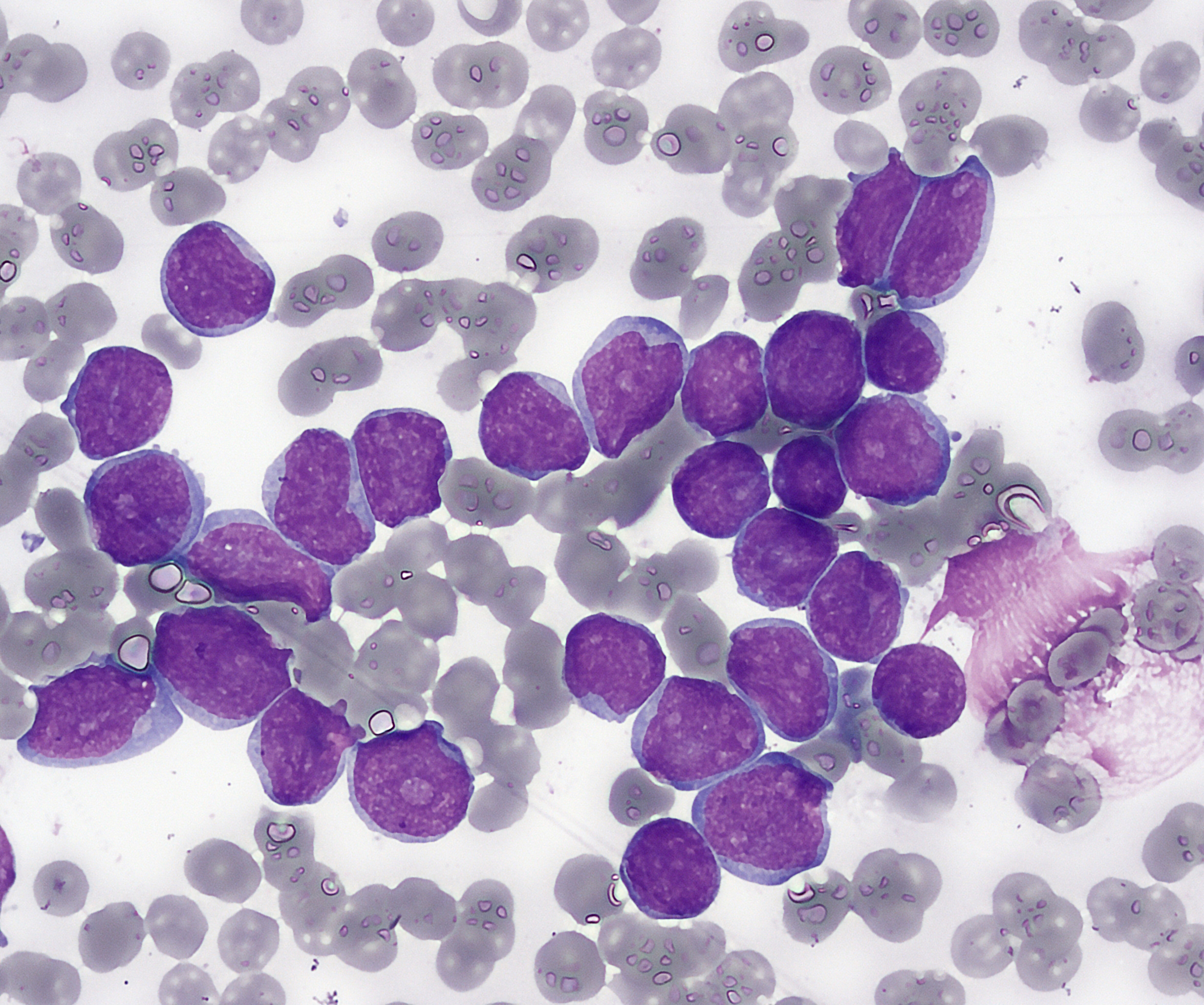
Acute lymphoblastic leukemia (ALL) is a cancer of the blood and bone marrow. It starts when the body makes too many immature white blood cells called lymphoblasts. These cells crowd out healthy blood cells, which can affect oxygen delivery, infection defense, and normal clotting.
ALL is called acute because it can progress quickly without treatment. It is also called lymphoblastic because it involves early lymphoid cells, which are part of the immune system.
For a plain-language overview of leukemia, the National Cancer Institute and CDC both provide clear reference material.
There are different subtypes of ALL, commonly grouped by whether the abnormal cells look more like B cells or T cells. In practice, the subtype matters because it helps guide treatment decisions. The American Cancer Society gives a useful patient-friendly summary of these distinctions.
If you want more educational background from this site, the Latest Lectures page is a useful starting point, and the home page brings you back to the broader site context.

Common Symptoms of ALL
The early signs of ALL often overlap with less serious illnesses. That is part of the danger: the symptoms can look ordinary at first, but they persist because the bone marrow is under strain.
- Fatigue and weakness: Low red blood cell counts can leave a person tired, pale, or short of breath during normal activity.
- Frequent infections: Abnormal white blood cells do not protect the body well, so fever or repeated infections may show up.
- Easy bruising or bleeding: Low platelet counts can cause nosebleeds, gum bleeding, or bruises that appear without a clear injury.
- Bone or joint pain: Leukemia cells can build up in the marrow and create deep aching pain.
- Swollen lymph nodes: Lumps in the neck, armpit, or groin can occur when lymph tissue is involved.
Other symptoms can include poor appetite, weight loss, night sweats, or a sense that something is simply not right. None of these signs proves ALL on its own, but persistent or worsening symptoms deserve medical review.
To understand the symptom picture in a broader cancer context, the Cancer Research UK and Cleveland Clinic explanations are practical and readable.
Diagnostic Tests and Procedures
Diagnosis usually starts with a careful history, a physical exam, and blood tests. A complete blood count can reveal anemia, low platelets, or an abnormal number of white blood cells. A blood smear may show immature cells that should not be there.
The next step is often a bone marrow biopsy. This procedure checks the marrow directly to confirm whether leukemia cells are present and how many there are. It sounds intimidating, but it is a standard test used to answer the key question: what cells are actually in the marrow?
Doctors may also use imaging tests such as CT or MRI when they need to check for enlarged lymph nodes, organ involvement, or complications. Imaging does not diagnose ALL by itself, but it helps define how far the disease may have spread.
Genetic testing is now a major part of ALL workup. These tests look for chromosome changes or gene variants that can affect prognosis and treatment planning. The NCBI Bookshelf overview and the MedlinePlus Genetics page are solid references for readers who want a deeper explanation.
In short: blood tests raise suspicion, bone marrow testing confirms the diagnosis, and genetic analysis helps shape the treatment plan.
Importance of Early Detection
Early detection matters because ALL can progress quickly. When the disease is found sooner, treatment can begin before symptoms become severe or complications become harder to control.
That can affect several practical outcomes:
- Treatment options: Earlier diagnosis may help doctors start the most appropriate therapy without delay.
- Prognosis: Some risk features are identified through testing early in the workup, which helps guide care more precisely.
- Family planning and support: A quicker diagnosis gives patients and families time to prepare, ask questions, and organize care.
No article should promise a specific outcome. ALL is serious, but the line is clearer when symptoms are recognized promptly and tested properly. That is the operational reality: early action gives the care team more room to work.
Conclusion and Next Steps
ALL is a fast-moving blood cancer, but its early signs are often visible if you know what to watch for: fatigue, infections, bruising, bone pain, and swollen lymph nodes. These symptoms do not mean someone has leukemia, but they do mean a medical evaluation is worth taking seriously.
If you or someone close to you has persistent symptoms, speak with a healthcare professional. Prompt testing is the right next step, not guesswork. For readers looking for more context, you can also return to the home page or browse the Latest Lectures archive for related educational material.
Medical note: This article is for general information only and does not replace advice from a licensed clinician.