How did cancer treatment get from “maybe nothing works” to today’s mix of targeted drugs, immunotherapy, and precision radiation? Here’s a quick historical map-without the mystique-of the major breakthroughs that reshaped care.
When people search for this topic, they often ask: What changed when? Which milestones actually mattered clinically? and what does today’s “state of the art” build on? As historian Roy Porter put it, “The story of medicine is… the story of the human struggle against illness.”
Cancer treatment has rarely advanced in a straight line. Instead, it’s been a chain reaction: better microscopy, safer anesthesia and surgery, chemotherapy that could actually reach tumors, radiation that could be shaped more precisely, and-more recently-therapies designed around specific molecular changes and the immune system. For example, the National Cancer Institute’s overview of cancer therapy history and the NCI’s treatment types guide (both with utm_source=informed-scientist.org) help confirm that modern treatment is built from multiple evolving approaches rather than a single “magic bullet.”
By the end of this article, you’ll be able to trace the timeline of cancer treatment-what the key milestones were, why they happened, and where today’s trends are heading next.
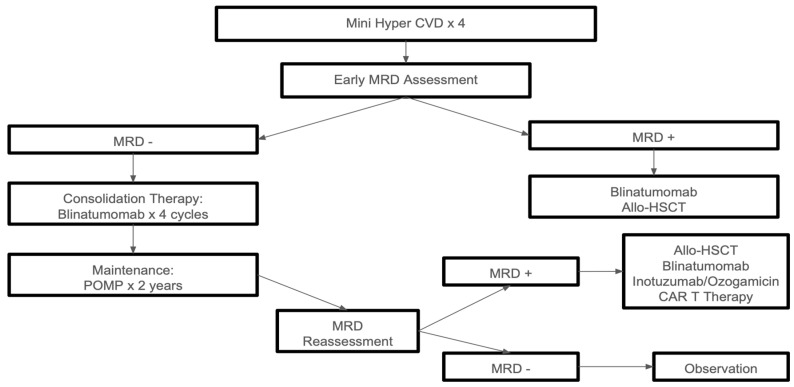
Overview of Cancer Treatment History
If you want the short version: cancer care evolved when researchers could do three things more reliably-see tumors clearly, target them effectively, and measure whether treatment worked. Each major era boosted one or more of those abilities.
- Surgery matured alongside anesthesia, antisepsis, and better imaging.
- Radiation therapy advanced from early X-ray use toward highly conformal planning.
- Chemotherapy emerged as systemic treatment, then expanded through combination regimens.
- Precision medicine accelerated with genomics and biomarker testing.
- Immunotherapy turned the immune system into a treatment target.
For readers who want a practical “map of the present,” the site’s Latest Lectures page is a good place to see how new findings are being packaged for clinicians and researchers.
Key Milestones and Discoveries
Think of these as turning points-moments when the field’s capability changed.
1) Better ways to define and classify cancers
Before treatments can be improved, cancers need to be described consistently. Pathology-and later, molecular classification-made “cancer” less like one disease and more like many related diseases with different vulnerabilities.
2) The rise of anesthesia and antisepsis (enabling safer surgery)
Surgical progress depends on safety. As anesthesia and antiseptic technique improved, surgeons could operate more precisely and more broadly, setting the stage for curative-intent operations in more situations.
3) Radiation therapy becomes a controllable tool
Radiation evolved from early, less precise exposure into treatments that could be planned to spare surrounding tissues better. Over time, imaging and planning methods increased the ability to deliver the right dose to the right target.
4) Chemotherapy and combination regimens
Chemotherapy’s real power often comes from combinations. Using multiple drugs with different mechanisms can reduce the chances that cancer cells escape treatment and can improve outcomes for many cancer types.
5) Targeted therapies: drugs matched to specific biology
When biomarkers and genetics became practical, researchers could build therapies around specific molecular drivers. This is where treatment started to feel more “engineered” and less “one-size-fits-all.”
6) Immunotherapy: mobilizing and releasing the immune response
Immunotherapies include strategies that stimulate immune recognition, improve immune activation, or remove inhibitory signals. Instead of attacking tumors directly, some therapies aim to help the immune system do the heavy lifting.
More than any single breakthrough, the key pattern is this: new diagnostics often create new treatment options.
Current Trends
Modern cancer treatment is increasingly “multi-layered.” Rather than choosing one approach, care often combines surgery, radiation, systemic therapy, and increasingly, biomarkers to choose what fits best.
1) Biomarkers moving from “interesting” to “routine”
Genomic tests and other biomarkers increasingly guide therapy selection and help predict response. The goal is not just to treat, but to treat in the most informed way possible.
2) Immunotherapy expanding and being refined
Immunotherapies are being studied across more tumor types and combinations, with ongoing focus on improving response rates and managing side effects.
3) Treatment planning and delivery getting more precise
Imaging, radiation planning, and surgical techniques continue to improve, aiming to maximize tumor control while reducing harm to healthy tissue.
4) Less guessing through better data
Clinical trial design, real-world evidence, and evolving endpoints help teams understand what works for which patients.
Future Directions
Predicting the future is risky business-cancer biology has a habit of keeping receipts-but there are a few directions that keep showing up.
1) Personalization that’s practical (not just theoretical)
Future care will likely look more individualized, but with a strong emphasis on feasibility: tests that are accessible, treatments that can be matched quickly, and decision pathways that clinicians can actually use.
2) Smarter combinations
Many breakthroughs so far work best when combined thoughtfully. The next phase is selecting combination partners based on biology and response patterns, not only on historical trial success.
3) Better management of toxicity and survivorship
As cure rates and long-term control improve, quality of life becomes a central outcome. That means managing side effects more aggressively and building survivorship care around real life.
4) Ongoing emphasis on prevention and early detection
Sometimes the most effective cancer treatment is the one that happens early-or doesn’t happen at all. Advances in screening strategies and preventive approaches remain high-impact directions.
Conclusion
Cancer treatment has evolved through a series of capability leaps: improving visualization and classification, making surgery and radiation safer and more controllable, building chemotherapy regimens, and later turning cancer’s molecular and immune vulnerabilities into treatment targets. The big lesson is that progress is cumulative-each new diagnostic tool and experimental method changes what therapies can do.
- History matters because it explains why today’s options exist.
- Modern treatment is layered: surgery + radiation + systemic therapy + biomarkers.
- Next steps trend toward practical personalization, smarter combinations, and survivorship-focused care.
If you’d like a next stop, explore the site’s Latest Lectures for ongoing updates across hematology, oncology, and related research areas.
Sources (external): National Cancer Institute – History of Cancer Therapy, National Cancer Institute – Types of Cancer Treatment, and CDC – Cancer for general background.