Cancer risk isn’t only a matter of genetics or luck-some environmental exposures can shift the odds. In this guide, you’ll learn which exposures matter most, how they can contribute to cancer development, and what prevention steps are actually feasible.
When people search for environmental cancer risk, the questions usually sound like this: What exposures are we talking about? How strong is the evidence? Which actions reduce risk without causing new problems? and Where can I find reliable guidance? As the World Health Organization notes, many cancers can be prevented by addressing risk factors across environments and lifestyles.
This matters because exposures from air pollution, tobacco smoke, occupational chemicals, ionizing radiation, and certain contaminants in food and water can all contribute to cancer risk. For background and prevention principles, see the WHO cancer fact sheet (with utm_source=informed-scientist.org appended) and the National Cancer Institute’s overview of carcinogens.
By the end, you’ll be able to sort environmental factors into a practical risk map: what’s most relevant, what evidence supports it, and what preventive measures fit your real constraints.
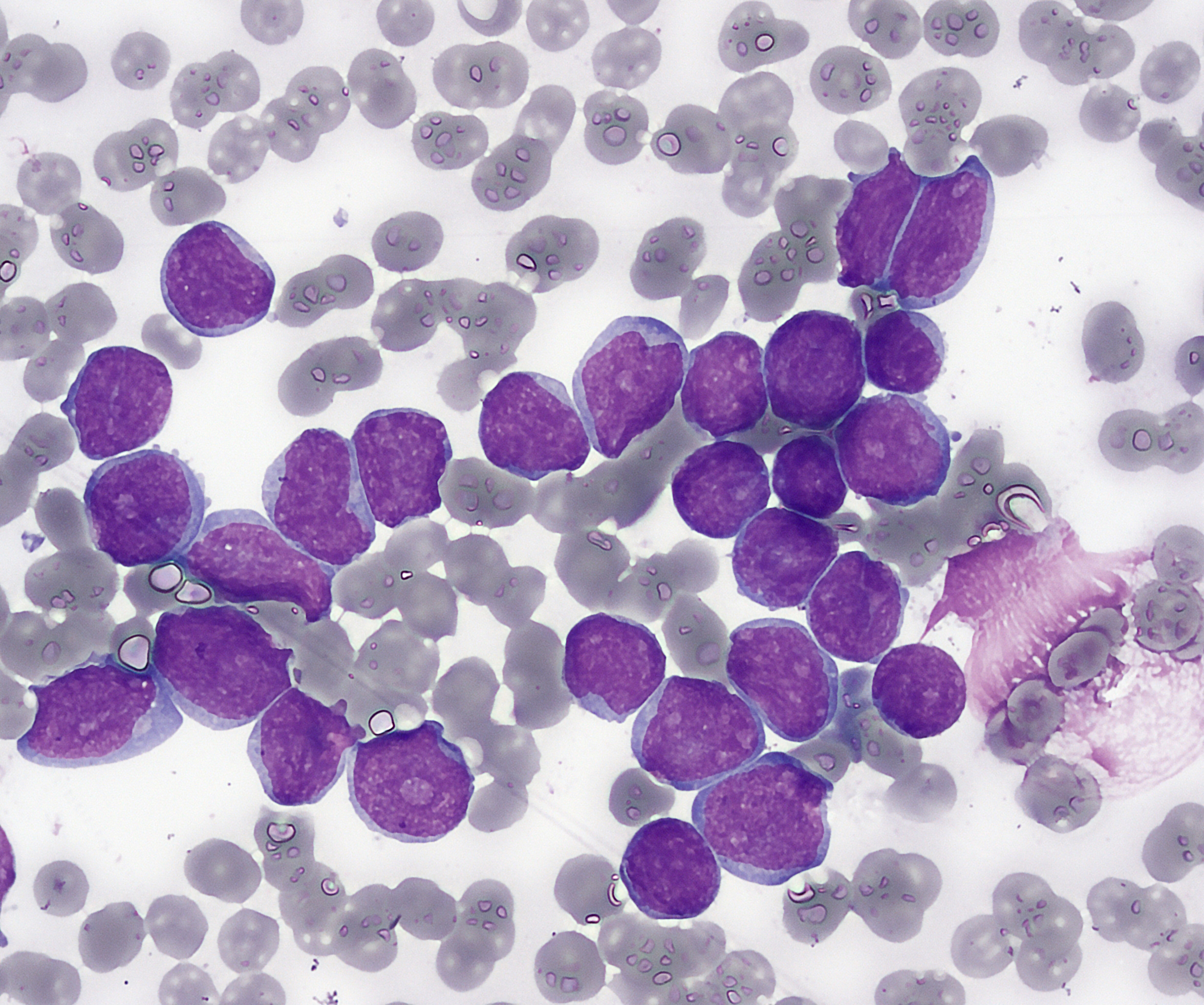
Understanding Environmental Risk Factors
Environmental factors are exposures outside of your body that can influence how cells behave. They can be chronic (over years) or acute (short-term, high-dose). The key concept is not that one exposure “causes” cancer on its own, but that some exposures can increase the likelihood that cancer develops-especially when the exposure is repeated or intense.
How environmental exposures can influence cancer
- Damage DNA: some chemicals or radiation can directly harm genetic material.
- Cause inflammation: persistent irritation can promote harmful cell growth.
- Alter hormone signaling: certain agents can disrupt endocrine pathways.
- Enable cancer-promoting conditions: exposures may increase oxidative stress or affect how cells repair damage.
How to interpret “risk” responsibly
Risk increases can be small for an individual exposure but meaningful at the population level-because everyone shares the environment, and because many people accumulate multiple exposures over time.
If you’re comparing different health topics on this site, you may also find it useful to browse Latest updates and lecture resources and keep the focus on evidence-based prevention.
Common Environmental Carcinogens
Below is a practical set of exposure categories. Evidence varies by agent and dose, but these categories recur in major public-health and cancer prevention summaries.
1) Tobacco smoke (active and secondhand)
Tobacco smoke contains numerous carcinogens. Secondhand smoke is still a relevant environmental exposure for people who don’t smoke but share indoor air. Prevention actions are straightforward: avoid smoke exposure and support cessation resources for those who smoke.
2) Air pollution
Outdoor air pollution includes particulate matter and chemical components that can contribute to cancer risk. Indoor air matters too-especially where ventilation is poor or where burning fuels is common.
- Workplace signal: industrial emissions, dusts, fumes.
- Home signal: cooking smoke, tobacco smoke, unvented heaters.
3) Occupational chemical exposures
Many carcinogens are encountered at work (for example, certain industrial solvents, dusts, and industrial byproducts). The strongest prevention lever here is control: substitution, engineering controls, and proper respiratory protection when required.
4) Ionizing and non-ionizing radiation
This includes medical imaging/radiotherapy contexts, radon exposure in buildings, and ultraviolet (UV) radiation from sunlight or tanning devices. For prevention, the “dose and timing” details matter-especially for UV exposure.
5) Contaminants in food and water
Some contaminants (for example, certain naturally occurring toxins or industrial contaminants) can increase risk. The prevention angle is to reduce ingestion where feasible (storage, safe sourcing, and public guidance when contamination is identified).
Preventive Measures
Prevention is about reducing exposure to the agents most consistently linked with cancer risk, using the hierarchy of controls where possible.
| Exposure category | Common examples | Practical steps | What “good” looks like |
|---|---|---|---|
| Tobacco smoke | Smoking indoors, secondhand smoke | Make smoke-free homes/cars; support cessation | Zero indoor smoke exposure |
| Air pollution | Outdoor particulates; indoor combustion smoke | Improve ventilation; avoid unnecessary burning; follow local air-quality guidance | Lower particulate exposure where possible |
| Workplace chemicals | Dusts/fumes/industrial agents | Use hazard labels/SDS; ask about exposure controls; follow PPE requirements | Engineering controls + correct PPE |
| Radiation | Radon; UV | Test/mitigate radon where appropriate; use sun protection | Reduced UV/indoor radiation dose |
| Food & water | Contaminant risks | Choose reliable sources; follow public guidance during contamination alerts | Lower ingestion of known risks |
Pick your priorities (so prevention doesn’t become chaos)
- Eliminate the biggest, most avoidable exposure first (for many people: tobacco smoke and indoor combustion smoke).
- Then control the repeat exposure (workplace and indoor air quality).
- Finally, reduce low-probability exposures with cost-effective steps (sun protection, safe storage, and following public guidance).
For more authoritative background on carcinogens and cancer risk, start with the National Cancer Institute on causes and prevention and cross-check with the IARC Monographs list of classifications.
If environmental factors are part of a larger risk discussion on this website, you may also want to explore Latest Lectures for context around clinical research and evidence.
Conclusion
Environmental factors can influence cancer risk by affecting DNA damage, inflammation, hormone signaling, and other biological processes. The actionable takeaway is simple: reduce avoidable exposures, prioritize high-impact categories, and rely on evidence-based guidance from credible sources.
Key points to remember:
- Environmental exposures matter-especially when repeated or high-dose.
- Tobacco smoke, air pollution, workplace chemicals, radiation, and some food/water contaminants are recurring risk categories.
- Prevention works best with elimination or control (not just awareness).
Next step: Audit your top 1-2 exposure categories (home, workplace, and transportation) and pick one practical control you can implement this month.