Personalized medicine in oncology isn’t sci‑fi anymore-it’s becoming a practical way to match a patient’s cancer biology to the right diagnostic tests and therapies, as quickly and safely as possible.
When people look this up, they usually ask: What does “personalized” actually mean? How do clinicians use genes, proteins, and biomarkers to make decisions? Where are the real results-and the limitations? As Nobel laureate Sir Paul Nurse put it, “The best way to predict the future is to understand the present.”
Modern cancer care increasingly relies on precision medicine approaches
https://www.cancer.gov/about-cancer/treatment/types/precision-medicine?utm_source=informed-scientist.org-because it turns “one-size-fits-all” care into a set of tests and treatment pathways tailored to tumor and patient features.
By the end of this article, you’ll have a clear picture of: (1) what personalized medicine is, (2) how it’s used in real oncology workflows, (3) what research is changing today, and (4) what still needs to be solved before it’s truly routine.
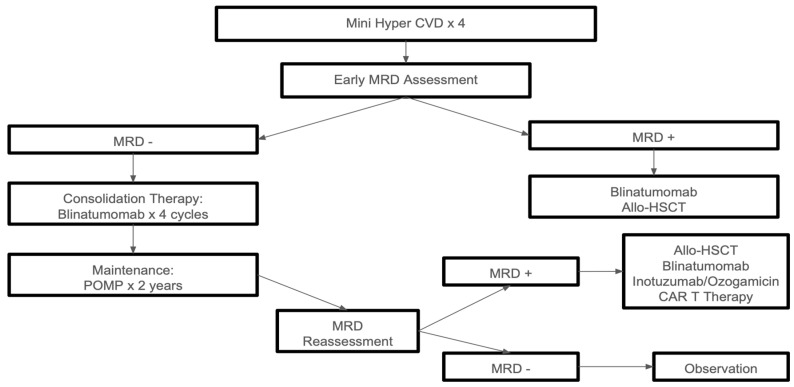
What is Personalized Medicine?
Personalized medicine in oncology means choosing diagnostics and treatments based on measurable characteristics-often called biomarkers-from the tumor and, sometimes, from the patient. The word “personalized” doesn’t mean “invent something for every single person from scratch.” It means using more information per decision.
Biomarkers: the decision ingredients
Biomarkers can include:
- Genetic alterations (e.g., mutations or rearrangements)
- Protein markers (what proteins are present or overexpressed)
- Functional signals (e.g., immune markers, circulating tumor DNA)
- Treatment response measures such as minimal residual disease (MRD) in some cancers
In practice, biomarkers help clinicians answer two core questions: Will this treatment likely work? and Is the cancer responding?
Precision medicine vs. personalization (a common mix-up)
You’ll hear “precision medicine” and “personalized medicine” used interchangeably. A helpful way to think about it:
- Precision medicine emphasizes tailoring care to biological factors that increase the odds of success.
- Personalized medicine adds the “patient context” layer-risk tolerance, comorbidities, side-effect profiles, and care preferences-where evidence supports it.
Benefits for Cancer Patients
When personalized approaches work, the advantages are usually less dramatic than headlines suggest-but more meaningful in daily care.
1) Better matching of therapy to tumor biology
Targeted therapies and certain immunotherapy strategies depend on biomarkers. Matching can improve response rates and reduce time spent on ineffective regimens.
2) Earlier detection of response or resistance
Some monitoring tools (including MRD assessment in certain diseases) help clinicians detect whether treatment is doing its job sooner rather than later.
3) Fewer “guessing games” and better planning
Personalized workflows can support decisions like escalation, de-escalation, switching therapies, and planning next steps-especially for high-risk patients.
4) More opportunities for clinical trial matching
Many trials enroll participants based on tumor markers. Biomarker-guided screening can increase the chance a patient is offered a relevant option.
Current Research and Developments
This is the part where the future is already showing up-often in incremental, systems-level improvements rather than one magic breakthrough.
Genomics and multi-omic profiling
Broad tumor profiling can reveal actionable targets and help categorize cancers that look similar on routine imaging but behave differently biologically.
Liquid biopsy and dynamic monitoring
Blood-based assays (for example, circulating tumor DNA) aim to track tumor evolution over time. That matters because cancers can change during therapy.
MRD and response-adapted strategies
In cancers where MRD is clinically informative, response-adapted strategies can potentially shift treatment intensity for patients who are (or are not) achieving the desired depth of response.
Data integration: turning tests into decisions
Personalized medicine is also a workflow problem: collecting test results, validating them, interpreting them within clinical guidelines, and updating decisions as new evidence and new data arrive.
Two starting points for understanding the evidence base behind these approaches:
Future Directions
If personalized medicine is a puzzle, the future is about putting the remaining pieces in place-especially when the evidence isn’t uniform yet.
1) Closing the “evidence gap” for more biomarkers
Not every biomarker has a clear treatment action today. Research is expanding what’s actionable and when it should be measured.
2) Making prediction more robust
Better models will help estimate benefit and risk more accurately. That means fewer false confidence moments-and more clarity on uncertainty.
3) Improving access and turnaround time
Personalized care depends on testing availability, speed, and clinical interpretation. The future includes building systems that can deliver results fast enough to influence decisions.
4) Integrating patient preferences into biologically guided choices
Even when biology points in one direction, people still face trade-offs: side effects, duration of treatment, and quality of life. The “personal” part will increasingly matter as evidence evolves.
Try this tiny mental checklist
When you encounter a personalized medicine success story, look for:
- Which biomarker drove the decision?
- What was the comparator (what did it improve vs.)?
- What outcomes improved (response, survival, quality of life, toxicity)?
- How strong was the evidence (trial phase, size, follow-up)?
This is the boring magic: it turns “promising” into “understandable.”
Conclusion
Personalized medicine in oncology is moving from promise to routine building blocks: biomarker-guided treatment matching, dynamic monitoring, and response-adapted strategies. The remaining work is less glamorous but essential-expanding evidence for biomarkers, improving prediction reliability, and making testing pathways accessible and timely.
If you want one practical next step: explore what biomarker and precision approaches mean in general, then track how clinical guidelines and trial participation options evolve for different cancer types.
Key takeaways
- Personalized medicine uses measurable tumor (and sometimes patient) features to guide decisions.
- Benefits can include better therapy matching, earlier response assessment, and more relevant trial options.
- Current developments include multi-omic profiling, liquid biopsy, and MRD/response monitoring.
- Future progress depends on evidence, workflow integration, and equitable access.
Further reading: NCI Precision Medicine; EMA companion diagnostics.