Sexually transmitted infection research meetings matter most when they connect microbiology, epidemiology, prevention, and implementation rather than treating them as separate silos.
Visitors landing on a congress page like this usually want quick clarity on a few points:
- What makes an ISSTDR meeting distinctive compared with a general infectious-disease conference?
- Which subjects are most likely to dominate the scientific program?
- How should clinicians and researchers read a sexually transmitted infection congress agenda productively?
- Which outside references are the best first stop after the meeting page?
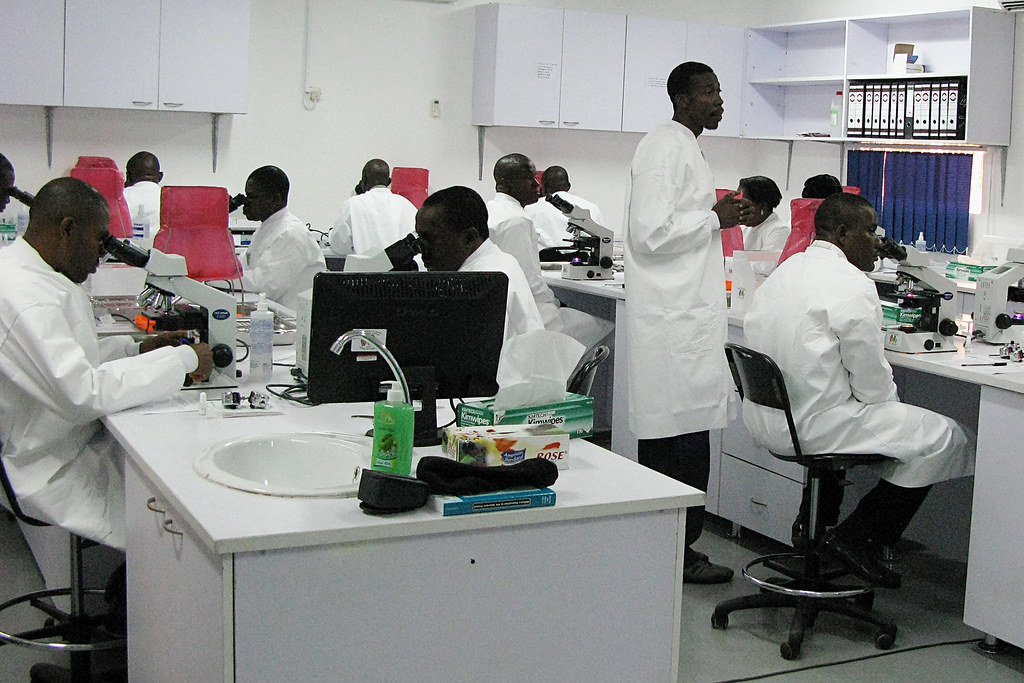
This resource page treats the 19th Biennial Meeting of the International Society for Sexually Transmitted Diseases Research as an orientation guide for readers who want context before diving into individual sessions. The ISSTDR homepage and the society’s about page describe a long-running biennial program that spans biomedical, behavioral, and social research. For broader disease context, readers can compare that meeting scope with the World Health Organization’s current STI fact sheet, the CDC STI portal, and the archived program book for the 19th ISSTDR meeting in Quebec City.
Why an ISSTDR congress deserves focused attention
STI research is not just about pathogen lists and treatment tables. It also involves screening strategy, health systems delivery, partner services, stigma, antimicrobial resistance, maternal and neonatal risk, and the design of prevention programs that people can actually use. A specialized society meeting is valuable because it keeps those threads together instead of splitting them across unrelated conference tracks.
If you want to browse related educational content after this page, the site’s blog index and congress overview provide the simplest next steps.
Terms worth defining early
STI versus STD
Many organizations now prefer “STI” because infection can be present without obvious disease. That distinction matters in research, screening policy, and public-health messaging.
Antimicrobial resistance
This is one of the most important recurring topics in STI meetings, especially when gonorrhea management, laboratory surveillance, and treatment guideline durability are being discussed.
Implementation science
In this setting, implementation science asks how an evidence-based intervention is delivered, scaled, monitored, and adapted in real clinical or community settings.
High-value program areas
1. Epidemiology and surveillance
Good epidemiology sessions help readers interpret incidence trends, testing patterns, and population disparities without confusing changes in detection with changes in transmission alone.
2. Diagnostic strategy and laboratory methods
Whether the topic is nucleic-acid testing, resistance detection, or specimen selection, these talks shape how quickly research insights can become usable in routine care.
3. Prevention and implementation
The strongest STI congress sessions often live here. They show where preventive tools succeed, where uptake fails, and how delivery systems influence outcomes as much as the intervention itself.
4. Equity, access, and communication
Research quality matters, but so does whether people can reach testing, treatment, and follow-up without avoidable barriers. A complete meeting agenda should not treat that as a side issue.
Questions worth asking while reading the program
- Does a session connect laboratory findings to actual screening or treatment pathways?
- Are resistance and surveillance discussed together, or in isolation?
- Do the speakers address access and implementation barriers as part of the science?
- Is the audience being given a practical takeaway for clinical, public-health, or research planning?
Why this meeting remains a useful reference point
STI research moves across disciplines quickly. A society meeting gives readers a way to compare microbiology, public health, and service delivery in one framework. That is especially useful for visitors who need a conference page to do more than list a title and venue.
Bottom line
The best way to approach the 19th Biennial Meeting of the International Society for Sexually Transmitted Diseases Research is to read it as a multidisciplinary program on evidence, implementation, and access. Readers who track those three threads will get much more out of the meeting than a narrow pathogen-by-pathogen review can provide.