A neurology congress built around controversies is valuable when disagreement is disciplined, evidence-led, and directly useful at the bedside.
That format tends to attract readers with a familiar set of questions:
- Why organize a congress around disputed issues instead of settled teaching points?
- Which neurological conditions are most likely to generate productive debate?
- How can clinicians tell the difference between a real controversy and a noisy presentation style?
- Which outside resources help readers cross-check what they hear?
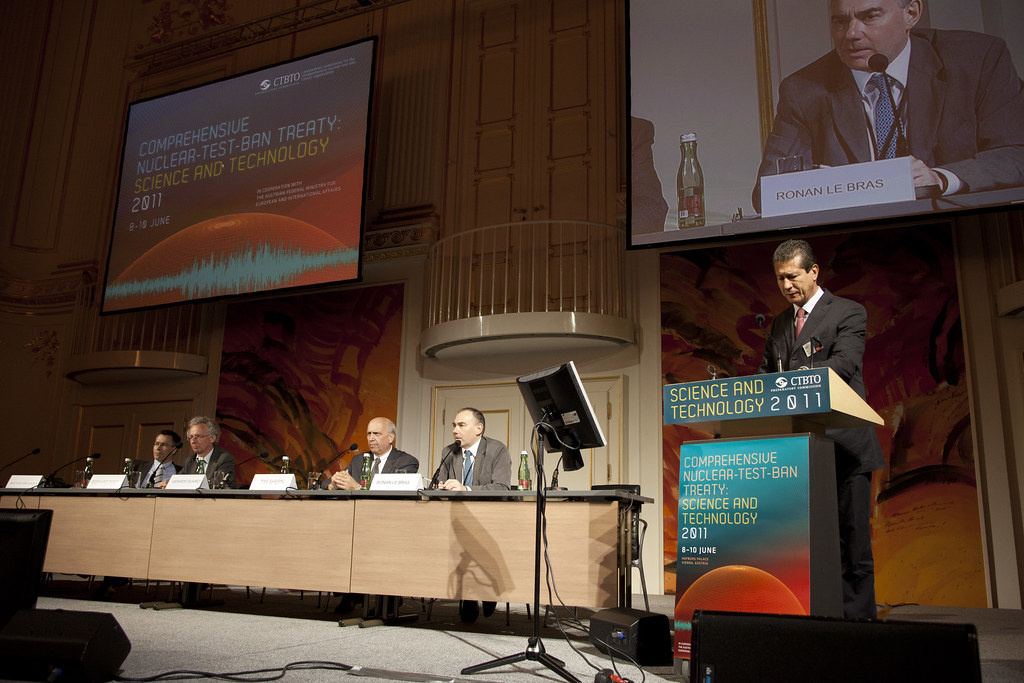
This page approaches the 4th World Congress on Controversies in Neurology as a debate-focused educational resource. The current CONy congress site describes the meeting as a forum for unresolved issues in neurology. An older International League Against Epilepsy congress notice uses similar language, and a short PubMed summary of an early CONy meeting shows how the format brought opposing experts together across multiple neurological domains.
Why the controversy format can work
Neurology has many areas where evidence evolves faster than habits do. Diagnostic thresholds, early treatment timing, imaging interpretation, and comparative risk judgments can all remain unsettled even in experienced hands. A controversy-based congress is useful because it forces speakers to make assumptions visible. Instead of only presenting what they prefer, they have to show which evidence standard supports their position and where the uncertainties still live.
For a wider route through meeting pages on this site, the congress section groups topic-specific conference resources in one place.
Terms that shape the discussion
Controversy
In a serious medical meeting, controversy should mean an evidence dispute, a threshold dispute, or a question about competing harms and benefits. It should not mean theatrical disagreement.
Clinical equipoise
This term helps explain why a debate matters. If multiple reasonable approaches remain in play, readers need to hear where the data support confidence and where judgment still dominates.
Practice-changing evidence
Not every interesting result changes care. A strong CONy-style lecture distinguishes between provocative findings and findings that should actually alter diagnosis, counseling, or treatment selection.
High-yield debate areas
1. Multiple sclerosis and inflammatory disease
These sessions often attract attention because they combine imaging, biomarkers, relapse risk, and treatment timing. They also show how quickly a field can move from hypothesis to overreach if evidence quality is not examined carefully.
2. Epilepsy and seizure classification
Epilepsy discussions often sharpen questions about terminology, surgical candidacy, and when uncertainty should delay or accelerate intervention. The debate format is especially useful when diagnostic categories influence treatment pathways.
3. Stroke and vascular neurology
Controversies here usually revolve around timing windows, imaging selection, procedural thresholds, and patient selection. These are exactly the kinds of decisions where debate can expose hidden assumptions.
4. Movement disorders, cognition, and headache
Not every disagreement is dramatic, but many are clinically important. Competing interpretations of symptoms, endpoints, and response patterns often matter more than headline novelty.
How to judge whether a debate was actually useful
- Did each side define the central clinical question in the same way?
- Were harms, uncertainty, and patient selection discussed as clearly as benefits?
- Did the speakers show why reasonable experts might disagree?
- Was there a practical conclusion for readers who still need to make decisions on Monday morning?
Why this page links naturally to the MS commentary resource
One reason controversy-based meetings matter is that they give space to topics that attracted genuine excitement before the evidence settled. That is why readers interested in neurology debates may also want the site’s commentary on chronic venous insufficiency and MS pathogenesis, which is a good example of how method quality shapes belief.
The blog index is the easiest way to surface the newest post-style resources after you finish this page.
Bottom line
The strength of the CONy model is not that it creates disagreement. It is that it can force disagreement to become explicit, structured, and clinically interpretable. Readers who listen for evidence standards, not just speaker confidence, will get the most from this kind of meeting.